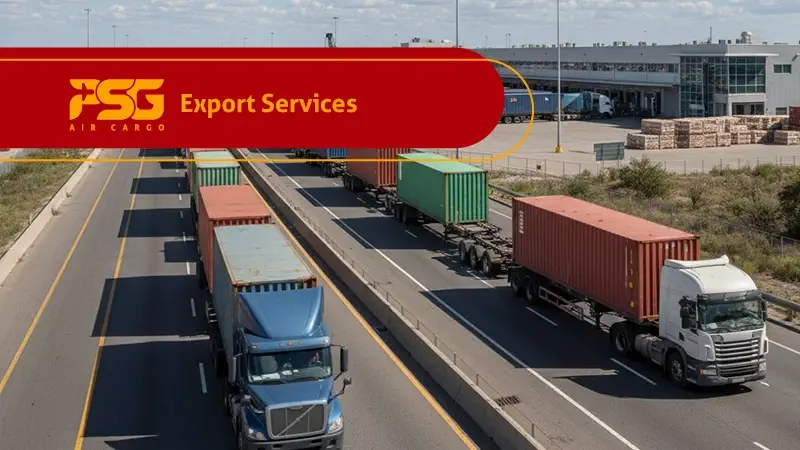
Export services are a widely used term in the field of trading. It consists of a range of professional solutions for business owners seeking to sell their commodities abroad rather than only in the local markets of their home country. Companies that offer export services help businesses navigate the entire export process step by step, from documentation and selecting the mode of transport to customs clearance and final delivery. It is essential to recognise that compliance with foreign regulations is a necessary step in exporting, and export companies must consider this factor. Small and medium-sized businesses can benefit from the various services provided by export companies and freight forwarders. Therefore, businesses can expand their brand recognition and enter foreign markets with the support of export companies, thereby reducing the range of potential risks. In this article, we will provide an overview of everything you need to know about exporting, including the various types of exports, different methods, and the advantages and disadvantages of exporting.
Definition of Export
Exporting is the process of selling goods or services produced in one country to buyers in other countries, which forms a significant part of international trade. Exports can include products, such as automobiles, electronics, and agricultural goods, as well as services like financial consulting, education, and information technology. Exporting allows businesses to expand their market reach, reduce dependence on a single market, and increase profitability by tapping into global demand. Additionally, it enables countries to earn valuable foreign exchange, boost employment, and strengthen their economic standing. To be successful in exporting, companies must understand international market trends, comply with relevant trade regulations, effectively manage logistics, and establish and maintain relationships with international partners. As a key factor of global trade, strong export performance supports overall economic growth and fosters innovation within industries.
Types of Export
Direct export and indirect export are the two main types of export. For each kind, businesses sell their products and conduct marketing differently, which leads to a difference in control over the process, from pricing and branding to selecting the mode of transport and managing customer relationships. Suppose you have a small business or are new to the exporting field. In that case, it is a smart move to start with indirect exports and, after gaining sufficient knowledge, transition to direct exports to prevent unexpected costs and potential risks. When selecting between direct and indirect export, consider your business’s resources and long-term goals to have a better exporting experience.
Direct Export
Direct export involves selling goods and services directly from the manufacturing company to international buyers in global markets, without the involvement of intermediaries. Therefore, the entire process of exporting, which encompasses market research, identifying the target market, shipping, contract negotiations, documentation, finding international customers, and compliance with local and foreign regulations, is handled by the company itself. This type of export stands out due to the advantage of having complete control over each step of the process, leading to brand loyalty. On the other hand, direct export requires a high level of knowledge, particularly in the fields of logistics and risk management.
Indirect Export
When a company sells its products to intermediaries, such as export agents or export companies, and then those intermediaries manage the process of finding international buyers, arranging transportation and customs clearance, and ultimately delivering the goods to the final destination, it is known as indirect export. This type of export is best suited for businesses that lack the expertise to handle direct exports but want to grow and expand globally. In this type of export, the primary focus of the exporter is on production and quality, resulting in less control over the other steps of the process.
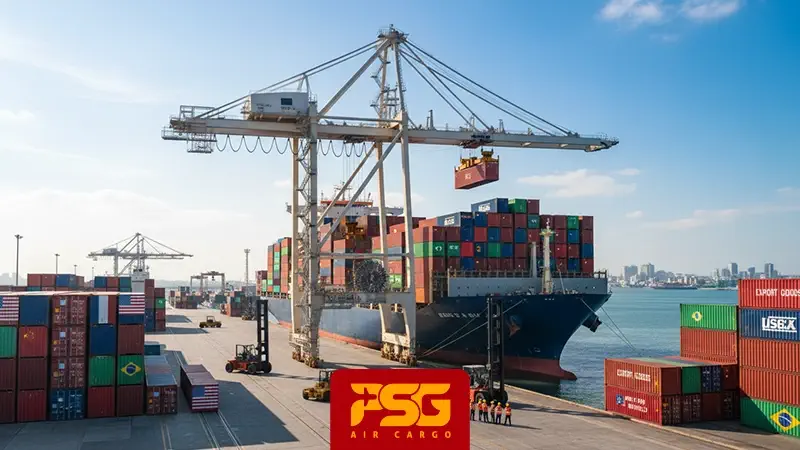
Step-by-Step Guide to the Export Process
The export process is a well-planned journey involving a set of specific steps to transfer a product from a local manufacturer to an international buyer in a foreign country.
1- The Product Identification
At the first step, you need to evaluate the product demands to identify a suitable product to export.
2- Market Research Analysis
This is a crucial stage that requires thorough market research to identify the buyer’s needs, pricing, and competitors’ performance.
3- The Target Market Selection
The Target Market Selection depends on various factors such as demand and requirements.
4- Export Regulation
Overlooking export regulations can result in unexpected costs and fines. Therefore, it is essential to verify licensing requirements and product restrictions upfront to ensure compliance with the rules in both countries.
5- Determine the Method of Export
As discussed earlier, this step involves a business choosing between direct export and indirect export.
6- Documentation Preparation
The most essential documents include the commercial invoice, packing list, certificate of origin, bill of lading/airway bill, and, in some cases, the export license.
7- Product Packaging and Labelling
Each country may have its own standards for packaging and labeling rules that must be followed.
8- Freight Forwarding Management
The mode of transportation, among sea, air, and land, must be selected. It should be coordinated with a freight forwarder.
9- Customs Clearance
At this step, the required documents must be submitted to customs, along with the applicable fees payment, and the inspection procedures take place.
10- Final Delivery
Here, the exported products are transported to the buyer’s location.
Benefits of Exports
One of the primary benefits of exports, among other advantages, is its contribution to revenue growth and access to global markets, leading to increased sales. Additionally, it reduces dependence on the domestic economic landscape. Competition internationally requires innovation and constant market monitoring, which pushes businesses to focus on the quality of their products to remain competitive in the global market.
Challenges and Barriers of Exports
Apart from the advantages that come with exporting, there are also challenges and barriers to exporting. One of the challenges is that the process of exporting can be costly for businesses that lack sufficient experience in global trade. Additionally, the complex process of documentation and customs regulations can be challenging for some companies to navigate. Currency fluctuations, political instability, and cultural differences are among the most significant challenges that companies face in today’s competitive global market. While exporting offers benefits and advantages, with sufficient knowledge and experience, businesses must mitigate these challenges and ensure they have established the right strategy to succeed.
Types of Exporters
In general, the term “exporter” refers to individuals or businesses that sell products or services from one country to another country abroad. Each type of exporter has distinguished roles and responsibilities in the export landscape. To remain strong in this competitive market, each type must establish specific strategies; therefore, knowing about each is essential for business owners seeking to enter the trading market or who want to expand their brand globally. This classification is based on the type of products being exported and their operating methods.
Here is a list of different types of exporters.
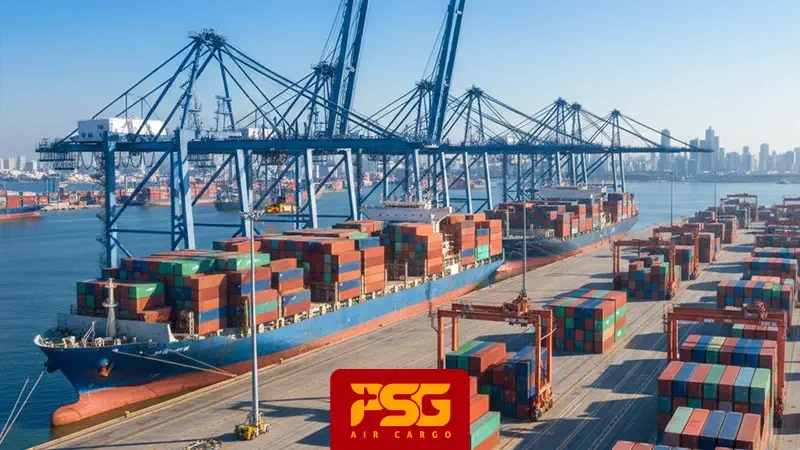
- Manufacturer Exporters: These types of exporters produce the commodities themselves. They are responsible for the entire process of exporting, from documentation and logistics to marketing and final delivery, which requires a comprehensive understanding of the export and general trading ecosystem.
- Merchant Exporters: They purchase the products from different suppliers and then sell the products to international buyers worldwide. Their primary responsibilities are identifying the market demands.
- Export Agents/Brokers: These categories serve as the connection between sellers and buyers. Their job is to facilitate the deals and earn commissions.
- Export Management Companies: If a manufacturer wants to expand its business but lacks sufficient resources, it should consider partnering with an export management company. Their role is to handle the entire process from marketing to documentation.
- Service Exporters: Companies or individuals that export professional services, such as IT developers and consultants, and many others, are known as service exporters. These types of exporters generally do not export goods and products.
Key Strategies for Successful Exporting
The primary focus for successful exporting is to learn about the target markets, their needs, and to consider different political and geographical factors in both the origin and destination. An efficient combination of all these elements leads to business expansion and broader brand recognition.
- Research Your Target Market Comprehensively
A successful business requires comprehensive market research. This research includes learning about the product demands, cultural preferences, social norms, and legal restrictions. Another critical factor is to evaluate competitors’ performance. Understanding the target market helps businesses establish the proper strategies and set the product’s pricing, leading to a lower risk.
- Select the Right Logistics Partner
Behind every export journey is a logistics partner that has a crucial role in the entire process. To select the right logistics partner, you need to be aware of their level of knowledge, experience, and reputation. A strong logistics partner ensures a smooth and hassle-free trade procedure.
- Documentation Preparation & Compliance Check
Correct documentation is an inevitable part of global trading. Commercial invoices, packing lists, certificates of origin, and accurate HS codes are among the required documents for every shipment. Even a minor mistake in documentation can result in unexpected costs, delays, or even fines.
- Establish Your Pricing Strategy Effectively
To establish pricing strategies, it is essential to consider all factors, including duties, taxes, logistics costs, insurance, and currency fluctuations.
- Develop a Reliable Supply Chain
To export products efficiently and deliver them on time, you need a consistent and effective supply chain.
- Transparent Contracts
All factors in a contract, including payment terms, delivery conditions (using Incoterms), and warranty obligations, must be clearly defined. A clear and well-written contract prevents any misunderstanding and the risk of financial loss.
- Effective Payment Methods
There is a high risk of security issues, such as fraud, in international transactions.
Thereby, a secure mode of payment, such as letters of credit and trade credit insurance, can protect your business.
- Establish Strong Relationships
To build trust and long-term relationships with customers, it is essential to maintain constant communication with them. A strong relationship with customers and effective lead management leads to customer satisfaction and a positive brand reputation.
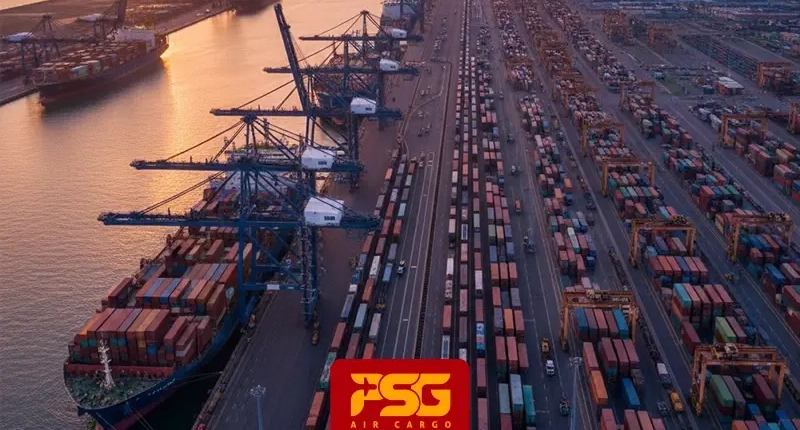
Regulatory Considerations and Compliance
To have a smooth international trading operation, considering the rules, standards, and legal regulations is non-negotiable. Therefore, exporters must stay up-to-date to be aware of the latest developments and ensure a successful shipment.
Export Policy
The governmental rules and regulations that define which products can be exported to which country and under what circumstances are known as the Export policy.
Licensing requirements and restrictions on certain goods are among these policies. Having knowledge of these policies helps businesses ensure their products meet the regulations, leading to a legally compliant operation within a country.
Trade Barriers and Other Limitations
Tariffs, export restrictions, sanctions, and complex approval processes collectively constitute trade barriers and limitations that can significantly impact international business operations. Tariffs are government-imposed taxes on exported goods, which can increase costs for exporters and influence product pricing in foreign markets. Export restrictions and sanctions are regulatory measures that limit or prohibit trade with specific countries or entities for reasons such as national security, public health, or diplomatic disputes. Complex approval processes often involve obtaining various licenses, certifications, or government clearances, which require detailed documentation and compliance with strict standards. Failing to consider and effectively manage these obstacles can lead to delayed shipments, increased operational costs, loss of market access, or even legal penalties. Therefore, a comprehensive assessment and proactive management of these challenges are essential for exporters to successfully enter foreign markets, maintain compliance, and prevent unexpected costs or delays.
Customs Rules
Customs rules are a set of regulations and procedures established by government authorities to control the movement of goods across international borders. These rules outline the procedures for declaring, inspecting, and clearing products to enter a foreign country in a legally compliant manner. Key components include accurate documentation (such as commercial invoices and packing lists), Harmonized System (HS) code classification to identify and categorize goods, calculation and payment of applicable duties and taxes, and adherence to specific customs procedures, which may involve inspections or certifications. Understanding and complying with customs rules ensures shipments move efficiently through border controls, reduces the risk of delays, and helps avoid costly penalties or confiscation of goods. Mastery of customs compliance is essential for maintaining a reliable delivery timeline, building trust with international partners, and supporting successful global trade operations.
The Bottom Line
Export services play a crucial role in a country’s economic development by facilitating international trade and generating foreign exchange earnings. Effective management of export services is essential for maximizing benefits for both businesses and the country’s economy. Exporting requires thorough market research to understand consumer preferences, competitor activities, and market trends in the target country. It also involves selecting suitable logistics partners, complying with international and local trade regulations, preparing accurate export documentation, and developing competitive pricing strategies to ensure optimal business outcomes. A strong set of export procedures and global trade dynamics enables businesses to minimize risks, avoid costly errors, and capitalize on emerging opportunities in the global market. Successful export activities contribute to economic growth, increased brand visibility, and stronger customer relationships worldwide. PSG Air Cargo supports exporters with a comprehensive range of services, including export services, customs clearance, freight forwarding, and cargo transportation, ensuring smooth and efficient international shipments.
FAQs
No schema found.