Goods inspection is a fundamental aspect of operational management and contributes to enhancing organizational performance. Through comprehensive product evaluations, organizations can identify specific areas that require attention and improvement. This assessment process facilitates the early detection of defects and inconsistencies, ensuring adherence to quality standards and regulatory compliance. By addressing these identified issues, organizations can implement targeted strategies that optimize productivity, minimize waste, and elevate customer satisfaction. Ultimately, the practice of goods inspection plays a critical role in driving improved operational outcomes while fostering overall organizational effectiveness in a competitive marketplace.
The Definition of Goods Inspection
Effective product inspection involves a thorough assessment, verification, and examination to ensure products meet quality standards. This process includes checking the quantity and specifications of the items against the purchase order.
Additionally, it encompasses compliance with legal requirements such as labeling and customs regulations. Proper documentation is also a critical component of this process.
Conducting an inspection helps to prevent defective or non-compliant goods from entering the supply chain, safeguarding the interests of both buyers and sellers.
By identifying damaged items before they reach the market, goods inspection plays a vital role in maintaining product integrity and operational efficiency for all parties involved.
The Importance of Goods Inspection
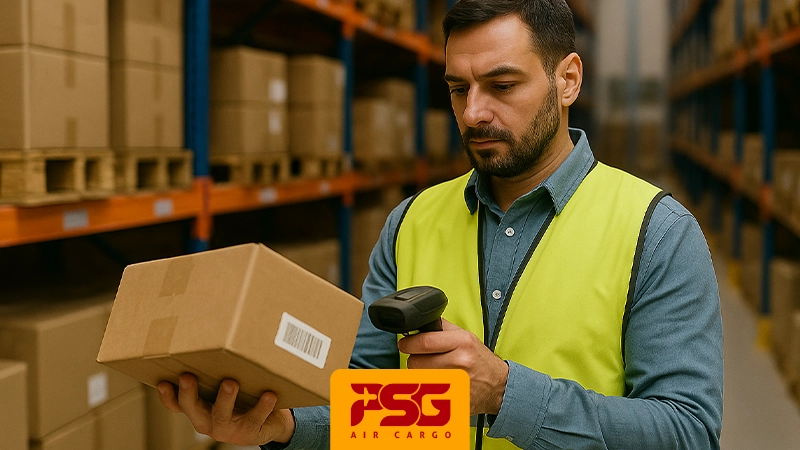
Goods inspection is an essential process that significantly enhances the efficiency and reliability of international trade.
For importers, conducting thorough inspections can help identify potential defects or quality issues with products before they arrive at their destination. This proactive approach helps prevent supply chain delays and reduces the risk of disagreement between importers and suppliers, ensuring that the goods meet the expected standards.
For exporters, having an inspection process in place cultivates confidence and builds trust with buyers. It serves as assurance that the products offered are manufactured in accordance with specified quality standards and regulations.
By demonstrating commitment to quality inspection, exporters not only improve their reputation in the marketplace but also strengthen relationships with their clients, leading to repeat business and long-term partnerships.
Overall, goods inspection is a vital step in the international trade process that benefits all parties involved by promoting transparency and reliability.
Inspection Procedure Step by Step
The inspection process is an essential foundation that maintains the highest standards of quality and assurance before any item embarks on its journey to customers. Each product undergoes an examination, during which it is assessed for quality, performance, and compliance with precise specifications. This thorough evaluation encompasses detailed visual inspections, functional tests, and, when necessary, assessments under controlled conditions to affirm the product’s durability and reliability.
-
Contract Review
Contract review involves thoroughly evaluating all terms before shipment. This ensures that both parties understand their responsibilities, thereby preventing potential disagreements.
-
Plan the Type of Inspection and its Methods.
At this stage, it is necessary to determine the best method and timing for inspection to ensure quality and compliance.
-
Criteria Confirmation
The primary purpose of this confirmation is to fulfill the buyer’s expectations.
Different Types of Good Inspection
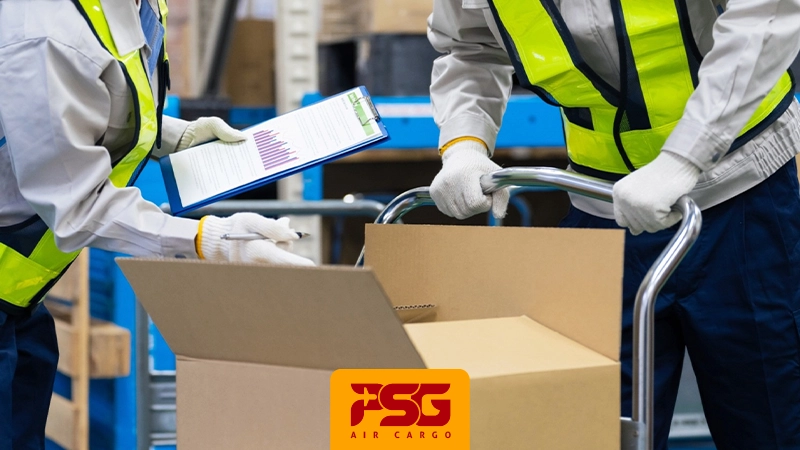
Conducting inspections of goods at various stages of the supply chain is crucial for detecting potential problems early. This practice not only helps identify issues but also ensures compliance with customs regulations.
-
Pre-Shipment Inspection
Before shipping, it is essential to conduct a comprehensive inspection of the goods to ensure they meet established quality standards. This includes checking for visible defects, ensuring all items are in working condition, and verifying they meet the specifications outlined in the order. In addition to quality control, the packaging should undergo an evaluation that focuses on both its durability and aesthetic presentation. Special attention should be given to the materials used, ensuring they are appropriate for the type of goods being shipped.
-
Loading Inspection
This inspection takes place before the shipment of goods and serves as the critical final step in confirming the quality of the products being dispatched.
Its primary objective is to ensure the correct items are loaded onto transport units, minimizing the risk of errors that could lead to costly delays or customer dissatisfaction.
During this phase, a thorough assessment is conducted not only on the products themselves but also on the condition of the containers used for transportation. Particular attention is given to hygiene standards, as maintaining a clean environment is essential for the authenticity of the goods.
This assessment takes place at the ports or factories where the goods are being prepared for shipment, allowing for any necessary corrections to be made before the products are shipped.
Additionally, this type of inspection can be conducted by a freight forwarder, which often acts as an intermediary between the shipper and the logistics provider. Freight forwarders can offer valuable expertise and resources to ensure compliance with all shipping regulations and quality standards, ultimately enhancing the reliability of the shipping process.
-
Incoming Goods Inspection
Incoming goods inspection plays a crucial role in effective warehouse management, serving as the first line of defense to ensure product quality and compliance.
This process is crucial for verifying that all delivered items align with the specifications outlined in the purchase agreement. During the inspection, several key aspects are evaluated: the overall condition of the items, the authenticity of their packaging, and the accuracy of the quantities received.
Inspectors carefully check for any signs of damage or defects, and ensure that no items are missing or in an unsuitable condition for storage or sale. The primary objective of this inspection process is to verify that all goods meet the established quality standards.
By identifying and addressing issues at this early stage, businesses can effectively prevent disruptions to inventory management, minimize losses, and maintain customer satisfaction. Thorough documentation of inspection results is equally important, as it creates a reliable record that can be referenced in the event of disputes or claims with suppliers. Ultimately, the incoming goods inspection is an essential step that lays the groundwork for smooth warehouse operations and ensures that only the highest-quality products are accepted into inventory.
Key Documents
Proper documentation is crucial to maintaining a clear, organized inspection.
- Commercial Invoice
- Packing List
- Bill of Lading/ Airway Bill
- Certificate of Origin
- Compliance Certificate
- Inspection Certificate
Inspection Certificate
This type of certificate is primarily used for perishable goods and ensures they are in proper condition, confirming their quality.
The Responsibility for Goods Inspection
A variety of entities can conduct goods inspections in accordance with regulatory requirements and contractual obligations.
- Inspection Agencies
- Buyers’s agents
- Authorities
Main Inspection Metrics
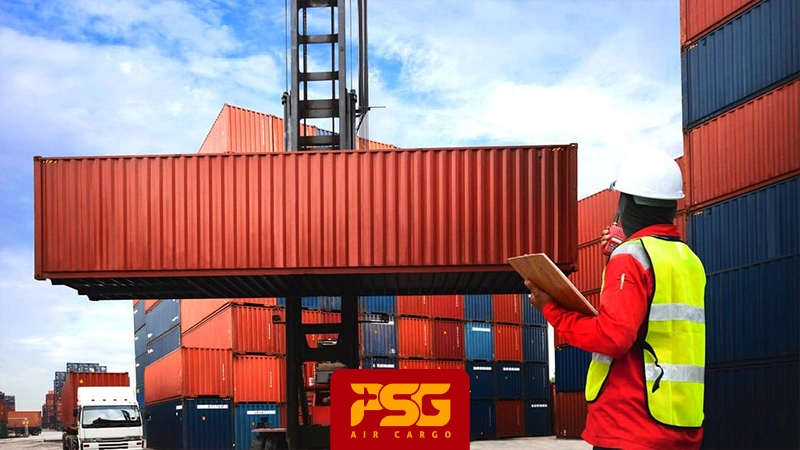
Inspectors evaluate various measurable metrics to ensure that goods meet all essential requirements.
- Quality and Quantity of the Products
- Labeling and Packaging
- Overall Performance
The Bottom Line
Inspection of goods is a key strategy for minimizing the risk of financial loss from shipments. This essential process ensures that both parties receive their products in the expected condition, as planned in their agreements.
By verifying the integrity and quality of items before final acceptance, damage can be identified early, preventing potential losses. Thus, this practice enhances accountability while also building trust between the parties. It indicates a commitment to quality assurance and transparency, which is one of our promises at PSG Air Cargo. Such efforts in the inspection process foster a greater working relationship and encourage more efficient communication moving forward.
FAQs
Who does the goods inspection?
It depends. It could be an in-house quality team, a third-party inspection company, or a regulatory authority.
Which factors are checked during goods inspection?
The quality, quantity, packaging, functionality, and safety of the items.
What are the benefits of goods inspection?
It helps save money, reduce risks, and build customer trust.



Leave a Reply
Want to join the discussion?Feel free to contribute!