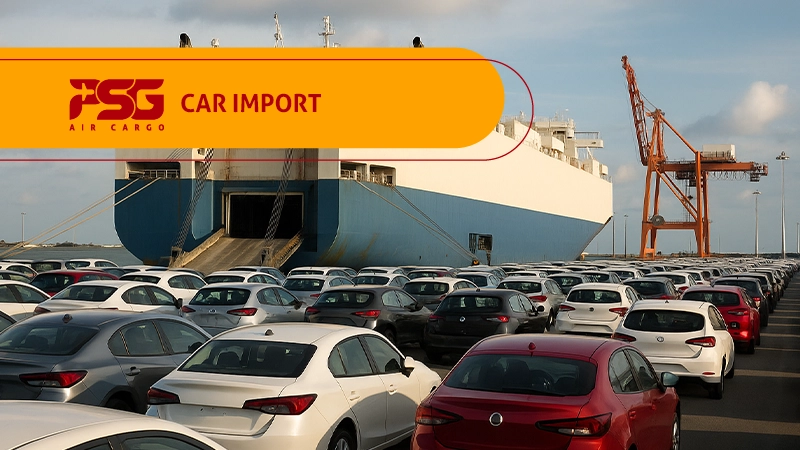
Car imports allow enthusiasts to own new models, regardless of the type of car. Although the process might seem complex at first, gaining a clear understanding of the necessary procedures can make it manageable. In this article, we examine key considerations for selecting a reliable supplier to support delivery. It is crucial to recognize that each step in the process is important to ensure that your car arrives legally and safely.
Procedures for Importing Cars
When you decide to import a car, it is crucial to understand the requirements and regulations, as they can vary from one country to another. Taking the time to research these regulations in advance can help you avoid costly mistakes and save time. With proper preparation, importing a car can become a rewarding experience, allowing you to enjoy driving your dream car on the road.
- Research Destination Regulations
When planning to import a car, it is essential to review several key factors. Key considerations include the destination country’s import regulations, the car’s age, and compliance with local safety standards. By carefully evaluating these elements, you can ensure a more efficient and hassle-free import process.
- Select a Reliable Supplier
When looking for a reliable seller, it is important to prioritize those with a strong reputation in the marketplace. Take the time to research their professional history thoroughly; this will help you recognize the truth behind their claims and verify their qualifications. Once you have assessed their legitimacy, it is time to request essential documents that can further establish their credibility and expertise.
- Shipping Arrangements
Shipping a car involves several important factors that should be carefully considered. Key aspects include cost, timing, and location, all of which play a critical role in determining the most suitable mode of transport. Partnering with a reputable freight forwarder well-versed in the relevant regulations and logistics can enhance the efficiency and reliability of the shipping process.
Documentation
When preparing for customs clearance, ensure all required documents are in order. Key documents include a commercial invoice, a bill of lading, and insurance papers. Maintaining accuracy in these documents facilitates a smoother customs process. Additionally, it is essential to verify payment certificates, Vehicle Identification Numbers (VINs), and other relevant details to avoid potential complications during customs clearance. Proper documentation is crucial for efficient transportation and regulatory compliance.
Customs Clearance
A licensed and reputable customs broker can facilitate the importation process of a car, as they possess in-depth knowledge of local laws and regulations. Their expertise ensures that all necessary documentation is submitted accurately and on time. Furthermore, customs brokers play a vital role in managing inspections and ensuring compliance with local legal standards. At this stage of the process, it is essential to be prepared to pay all relevant import duties, Value Added Tax (VAT), and any other applicable taxes associated with importing cars.
Delivery and Registration
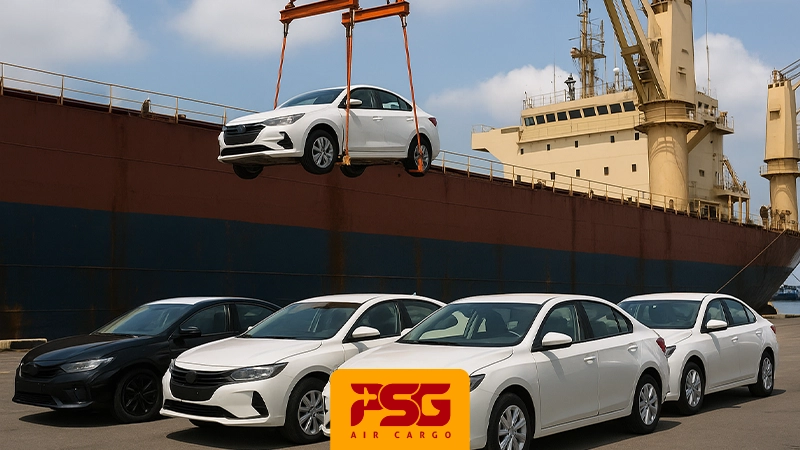
To proceed, ensure your car is registered in accordance with local road regulations. Once your car has successfully cleared customs, which may involve inspections and potential duties, you can begin arranging its delivery. This may include scheduling a transportation service and ensuring that you have the necessary documentation ready for the delivery service.
Final Thought
Car imports can be a manageable process when you partner with experienced freight forwarders and choose reputable suppliers. While the process may seem complex, it unfolds smoothly if you follow the necessary steps and pay close attention to local regulations for the final delivery. At PSG Air Cargo, our dedicated agents offer complimentary consultations to ensure your vehicle arrives at your doorstep safely and legally.
FAQs
What is the process of importing cars?
It involves purchasing, shipping, duty payment, complying with safety standards, and completing registration after customs clearance.
What are the costs of importing a car?
The total cost depends on the car’s value, shipping, insurance, customs duties, taxes, and registration fees.
How long does it take to import a car?
It depends on the origin, shipping method, and customs processing time.



Leave a Reply
Want to join the discussion?Feel free to contribute!