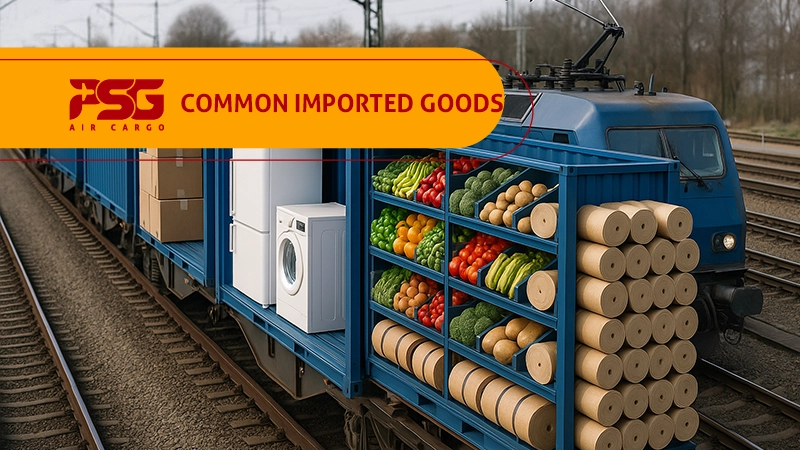
Common imported goods play a vital role in driving local economies and facilitating global trade. They often include everyday items such as food staples and essential raw materials that are fundamental to various industries. A key factor influencing the import of common goods is the disparity between domestic demand and production capacity; some countries may need to rely more heavily on imports than others. For businesses aiming to make informed decisions about sourcing, logistics, and market opportunities, understanding the landscape of common imported goods is essential.
Factors Behind Imported Goods
In various countries, multiple factors contribute to the importation of specific goods. One primary reason is limited local production, which can arise from challenges related to weather conditions or economic constraints. Additionally, consumer demand for particular brands and a preference for high-quality products often drive imports. Furthermore, cost efficiency is significant, as some countries may face shortages of raw materials, prompting them to rely on imported goods to meet their needs.
Top Categories of Common Imported Goods
Common categories of imported goods include several key segments essential for various industries. One of the primary categories is machinery and equipment, which are crucial to supporting manufacturing and infrastructure projects. Electronics, such as computers, mobile phones, and household appliances, also rank among the top imports, reflecting global consumer demands.
Furthermore, food and agricultural products are in high demand, as many countries rely on imports to meet local demand. Textiles and apparel remain among the most common imported goods, driven largely by trends in fast fashion.
Other important categories include chemicals, plastics, and automotive parts, which provide critical materials for diverse industries. Understanding these categories helps businesses identify growth opportunities and align their operations with market demands.
How Businesses Manage Imports Efficiently
Management efficiency is crucial to the success of any business, particularly in international trade. To operate smoothly, companies must follow a well-structured logistics process. This process encompasses several key components, including freight forwarding, customs clearance, and accurate documentation.
When dealing with imported goods such as food products, it becomes essential to collaborate with a freight forwarder who is knowledgeable about expiration dates and the specific preservation conditions required for these items.
Partnering with a reliable freight forwarder who understands import duties and regulations can enhance the efficiency of shipment movements. This expertise helps to minimize delays and avoid unexpected costs, ensuring a more streamlined trading process.
The UAE
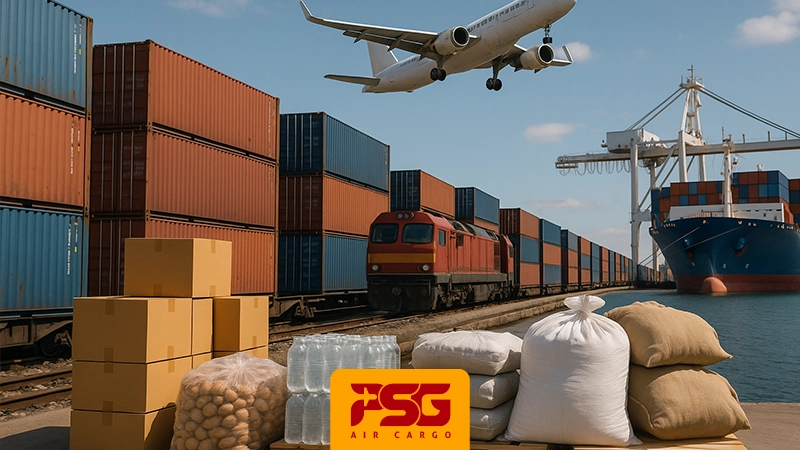
The import landscape of the UAE is shaped by its unique weather conditions and infrastructure capabilities. Given the country’s climate and limited agricultural resources, there is a strong reliance on imported goods in the following sectors:
- Food and Fruits: to satisfy local consumer preferences
- Constructions: to meet the demands of its growing population and booming construction industry.
- Advanced electronics: for both personal use and the region’s thriving tech market.
On the other hand, the UAE has established itself as a vital re-export hub in the Middle East. This status results in significant volumes of imports into the country.
The primary trading partners are China, India, and various European countries.
Final Thought
Common imported goods reflect both a country’s production capabilities and market demands, fulfilling important consumer needs. Efficient logistics are crucial for the successful management of these goods, as they enhance shipping efficiency and ensure timely deliveries. This is vital for maintaining product quality, particularly for perishable items. Collaborating with a reputable logistics company, such as PSG Air Cargo, can improve the overall shipping process and help address challenges in maintaining product quality during transit, leading to a smooth shipment.
FAQs
Are there any challenges when importing common goods?
Yes, Importers may face challenges like fluctuating exchange rates, shipping delays, customs clearance issues, and changes in trade regulations.
Do trends affect common imported goods?
Yes, for example, eco-friendly products and renewable energy equipment are becoming more popular.
Why don't countries produce goods locally instead of importing them?
Often, local production is limited due to climate, technology, or resource limitations.



Leave a Reply
Want to join the discussion?Feel free to contribute!