Customs clearance is the process by which imported or exported goods are inspected by customs, the necessary documents are processed, customs fees are calculated and paid, and final permission is granted for the legal entry or exit of the goods. The Customs Organization, as a government regulatory authority, is responsible for enforcing customs laws, collecting entry and exit duties, controlling exports and imports, and preventing smuggling. In this article, we will explain everything you need to know about the entire process, including different types of customs clearance and the requirements.
Customs Clearance Services: Definition & Importance
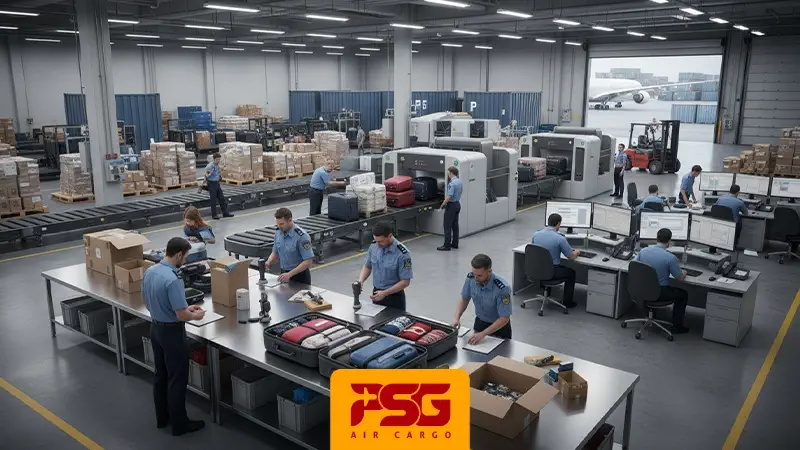
Customs clearance services include a set of activities provided by experienced companies and customs brokers to help importers or exporters clear their goods through customs. Professional customs clearance services are crucial for companies that lack sufficient experience or knowledge in customs matters, because a minor error in the documents can lead to long delays, fines, or no clearance.
These services typically include:
- Document Preparation, including commercial invoices, certificates of origin, bills of lading, and more.
- Calculation of customs duties and taxes: using tariffs and the customs value of your goods.
- Payment of customs and tax payments on behalf of the owner of the goods.
- Follow up with a physical inspection of goods if required: Some customs may inspect the goods.
- Coordination of clearance with customs warehouse, loading/unloading, and transportation after clearance.
- Obtaining necessary permits or approvals, such as standards, health, quarantine, etc.
The Primary Purpose of Customs Clearance
The main purpose of customs clearance is to ensure the legality of the entry and exit of goods into and out of a country. Besides that, the fees imposed on goods at customs clearance generate revenue for governments. Here are other reasons behind customs clearance.
- Preserve national and economic security by controlling the import and export of goods.
- Facilitate international trade by clarifying the process for goods entering or exiting the domestic market or exiting the global market.
Types of Customs Clearance
Customs clearance is categorized by the purpose of the trade, the type of goods, and the duration of their entry/exit. Below is a list of different kinds of customs clearance.
- Final import clearance: Goods imported into the country for permanent consumption in the domestic market are cleared after full payment of customs duties.
- Export clearance: Exported goods must be declared and cleared by the customs office of origin upon leaving the country.
- Temporary clearance: Goods that are temporarily imported into a country (for exhibitions, temporary projects) and are intended to return to the country of origin after a specific period of time.
- Customs transit: Goods pass through a country without a permanent stop, subject to international customs.
Required Documents for Customs Clearance
Presenting accurate and valid documents is vital for customs clearance, ensuring a smooth and hassle-free shipment. Common documents include:
- Customs Declaration
- Commercial Invoice
- Packing List
- Certificate of Origin
- Bill of Lading or Airway Bill
- Import/export permits (if required)
- Insurance documents (if the shipment is insured)
- Incorrect or incomplete submission of these documents can delay clearance and result in rejection of the customs declaration.
Customs Clearance Fee
Part of the customs clearance fee is derived from customs duties and related fees. It starts with determining the goods’ customs value based on the CIF (Cost, Insurance, Freight) value. After that, the customs tariff is applied to the goods based on the goods’ tariff classification. Value-added tax is also included in the clearance process in many countries. If the goods are stored in a customs warehouse, additional fees are charged along with laboratory costs if the goods need to be tested. Finally, administrative fees and service charges are included.
What is a Customs Clearance Certificate
A customs clearance certificate is an official document that confirms that customs have cleared the goods after they have been examined and the required documents have been provided. This certificate is essential, as it indicates that all customs obligations (duties and taxes) have been fulfilled. Some customs clearance companies and customs brokers issue this certificate to their clients after the clearance process so that they can use it in financial documents, insurance, or other business processes.
The Fastest Way to Clear Customs
To speed up the customs clearance process, you can consider using a professional customs agent who has experience and knows which documents must be prepared, reducing filing mistakes. In addition, electronic declaration of goods through the comprehensive customs system may speed up the entire process. Accurate and complete documentation is one of the reasons behind the process speed.
Be prepared for inspection: If there is a possibility of inspection, consider organizing the packaging and accessing the goods for inspection in advance.
Common Disqualifications from a Clearance
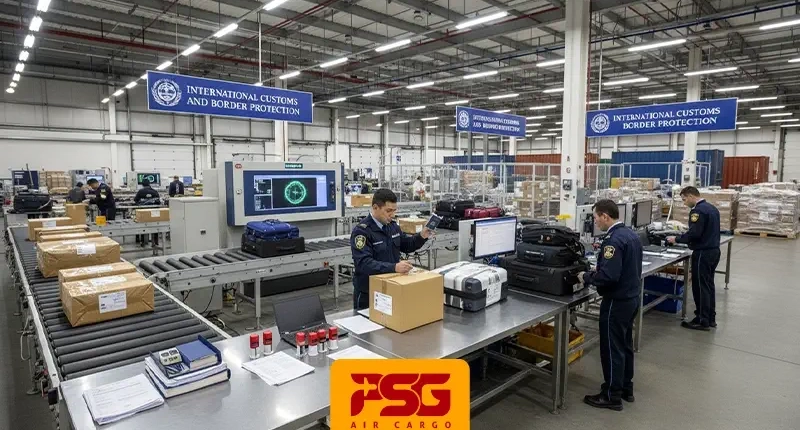
Sometimes the tarded goods, or the owner of the products, may be “disqualified” from customs clearance; this means that customs may refuse clearance. Common reasons for such disqualification include:
- Incomplete or incorrect documentation
- Ignorance or failure to comply with customs regulations
- Misdeclaration of value or type of goods
- A history of customs violations or smuggling
- Prohibited goods or goods requiring special permits
In the event of disqualification, the owner of the goods must first address the issues by completing or correcting the documentation, then obtain the necessary permits, and finally reapply for clearance.
Customs Clearance Validity and Expiration
“Clearance expiration” means the legal deadline for finishing customs paperwork and paying fees has passed. After this, customs might move the goods to a warehouse or send them back, depending on local rules. Importers could also face fines or extra storage costs. These rules help keep goods moving smoothly and make sure trade laws are followed.
To avoid issues with clearance expiration, importers or customs agents can sometimes ask for more time if they have a reason, like missing paperwork or payment delays.
Items Prohibited by Customs
Every country’s customs authority has a list of goods that are either banned or restricted for import and export. Goods are usually banned to protect public health, national security, cultural concerns, or to follow international agreements. If you try to bring these items across borders, you may face penalties, such as fines or having the goods taken away. Besides banned items, some goods need special permits or paperwork to pass through customs. For instance, certain medicines and chemicals are often tightly controlled. Before you ship these items, check with the customs authority to make sure you follow the rules and avoid problems or delays.
Final Thoughts
Customs clearance is one of the most critical steps in international trade, because without it, imported or exported goods cannot legally enter or leave the country. This process ensures that trade is transparent, legal, and safe by reviewing documents, calculating duties and taxes, inspecting, and paying fees. By using professional customs clearance services, companies can reduce clearance-related risks, save time, and avoid additional costs. PSG Air Cargo is a trusted logistics partner with comprehensive knowledge of customs laws, required documents, and accurate cost calculations, enabling traders to make better business decisions and optimize their international trade globally.
FAQs
How long does customs clearance take?
It depends. It can take a few hours or several days, depending on country regulations and other factors.
What happens if products are not cleared?
If products are not cleared, they may be held, fined, or returned to the origin.
Can importers handle customs clearance?
Most businesses use customs brokers or clearance agents to handle the process and avoid mistakes or delays.