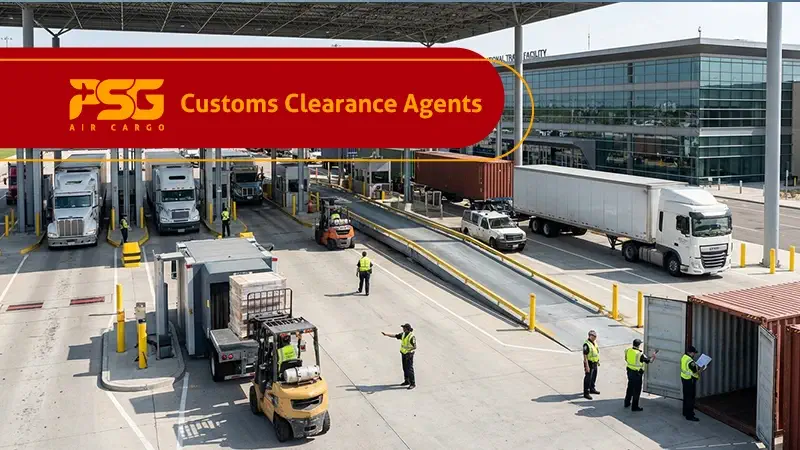
Customs clearance agents have a crucial role in global trade, which is more than an administrative intermediary. In today’s business, speed of clearance and accuracy of documents are of vital importance, and a customs agent, as a professional in this field, ensures that imported or exported goods cross the border without long stops. With the development of artificial intelligence, the role of agents has shifted towards providing intelligent and proactive solutions, rather than just solving problems after they occur. This article provides a thorough understanding of the role of customs clearance agents, how they work, and the benefits of working with one.
A Customs Clearance Agent: Definition & Importance
A customs clearance agent is a professional individual or group that, on behalf of the product owner, is responsible for carrying out the administrative, legal, and operational procedures related to the clearance of cargo from customs. A customs clearance agent must have complete expertise in customs laws, tariffs, HS codes, inspection procedures, standards, shipping documents, goods valuation, duties and taxes, as well as the process of communicating with legal organizations and institutions. In international trade, goods clearance is one of the most important stages of the supply chain, and incorrect or incomplete performance of this section can lead to delays, increased costs, goods being stopped at customs, and even heavy fines. Here is a list of the other important factors in the role of customs clearance agents.
- Increasing complexity of laws
Customs laws in many countries are constantly updated. A professional agent is always aware of the latest changes.
- Avoiding additional costs
Mistakes in tariffication, valuation, or documentation can lead to increased taxes and customs duties.
- Saving time
Clearance of goods can sometimes take several days or weeks, but an experienced agent can reduce this time.
- Reducing risk
The agent manages the potential risks in the declaration that can result in fines or even seizure of the goods.
The Role of a Customs Clearance Agent
In general, the presence of a customs clearance agent reduces the administrative and financial errors. However, their duties may vary depending on the type of products, country of entry, customs laws, and shipping structure. The list below is their main job:
- Registration and submission of customs declarations
- Classification of goods based on tariff and HS Code
- Review and preparation of shipping documents (proforma, packing list, invoice, bill of lading, etc.)
- Payment of customs duties and taxes
- Resolving document discrepancies
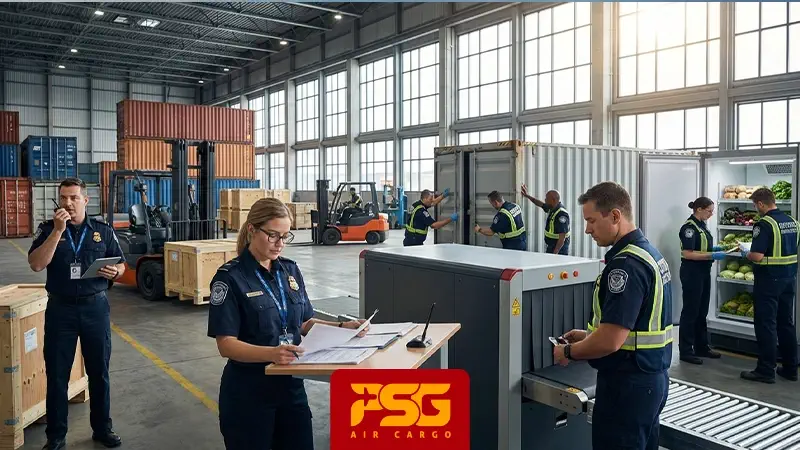
- Coordination for physical or laboratory inspection of goods
- Follow up on approvals from relevant organizations
- Direct interaction with customs experts
- Obtaining permission for goods to leave the warehouse
- Coordination of domestic transportation to the final destination
How Does Using a Customs Clearance Agent Add Value?
Although it is possible to clear goods without an agent, an experienced agent can help both avoid additional costs and speed up the sales and supply cycle. Besides that, significant added value is created in the following situations:
- Imports of specialized goods such as heavy machinery
- Goods with complex taxes and duties
- High-volume imports and regular contracts
- When the importer is importing for the first time
- When the commodity laws have restrictions, standards, or special inspections
The Role of Technology for Customs Clearance Agents
In recent years, digital customs portals and systems have been introduced, from online declaration registration to cargo tracking, digital payments, and integrated systems. Some countries have even offered fully digital clearance without in-person visits. However, technology cannot completely replace the customs clearance agent because, first, each country’s customs systems are different, and interpreting the rules requires human experience. Second, mistakes in entering information, even in digital systems, can have serious consequences. Third, coordination with external organizations, such as standards and the environment, is still a human job. And finally, many customs disputes require in-person follow-up during meetings, reviews, or expert assessments. Therefore, the best solution is to combine technology, human experience, and digital systems altogether.
The Right Customs Clearance Agent
Choosing the right customs clearance agent reduces costs and ensures your business’s future. A representative who provides analysis and foresight can improve the competitive position of your business in the market. When choosing, the following criteria should be considered:
- Experience in your type of goods
- Mastery of up-to-date customs laws
- Ability to provide pre-import consulting services
- Access to digital systems, tracking, and reporting
- Having a legal or expert team capable of resolving disputes
- History of working with reputable companies
- Transparency in costs
Benefits and Challenges of Working with Customs Clearance Agents
Using a professional agent brings several benefits to businesses regarding time and money. One of the benefits is reduced overall costs by avoiding fines, valuation disputes, and documentation errors. Besides that, agents handle dozens of clearance cases every day, which leads to access to practical experience.
In unexpected situations such as tariff rate changes, shipping delays, or customs re-examination requests, a professional agent can manage the issues quickly, leading to reduced administrative pressure on the importer. Another advantage of working with a customs clearance agent is customer-centricity, which means instead of spending time chasing customers, businesses can focus on sales, market development, and operations management.
On the other hand, the decision to use a customs clearance agent depends on the business conditions, type of goods, and volume of imports. However, using a customs clearance agent might be challenging, and below is a list of challenges:
- Costly in some cases
- Dependence of the importer on a person or company
- Quality of service varies depending on the experience of the agent
The necessity of the Customs Clearance Agent’s Roles
Many professional businesses, especially those importing machinery, precision instruments, or sensitive goods, prefer to outsource the customs clearance process so that they can focus on their core business. This leads to the necessity of the presence of customs clearance agents for the following reasons:
- Provide tax and tariff advisory services
- Provide supply chain data analytics for clients
- Involved in inventory management and shipment planning
- Provide monthly reports on import/export status
Individuals or companies can personally file a declaration and carry out the clearance procedures in many countries if the import volume is limited and the importer has enough time to learn and follow up. However, in professional operations, the presence of an agent usually brings higher efficiency, and doing it in person does not make sense and is not cost-effective, because:
- Customs rules are complex
- All steps require specialized knowledge
- The smallest mistake can lead to costs or delays
- It can take up a lot of time from your manager or team
Individual vs. Agent Clearance
| Criteria | Clearance by Individual | Clearance by Professional Agents |
| Initial cost | Lower | Higher |
| Error probability | More | Less |
| Clearance speed | Probably slower | Usually faster |
| Specialized knowledge required | Very high | Low – handled by agent |
| Handling customs issues | Difficult | Easier |
| Suitable for | Importers with Low Volumes of Products | Professional Importers and Companies |
Final Thoughts
Customs clearance agents play critical roles in international trading more than ever. The complexity of customs regulations, the increasing need for shorter delivery times, the development of digital commerce, and the role of technology have led importers to seek cooperation with professional logistics that perform clearance and provide solutions to improve the supply chain. PSG Air Cargo is a professional logistics partner that combines digital systems with human expertise to establish the best practical strategies for businesses seeking to grow globally.
FAQs
Can I personally handle my customs clearance?
Yes, you can self-clear, but it requires having thorough knowledge of customs rules.
Is working with a customs clearance agent costly?
It depends on several factors, such as the country regulations and the type of goods.
Does working with an agent reduce shipment delays?
Yes, agents' expertise helps avoid regulatory issues that typically cause delays.



Leave a Reply
Want to join the discussion?Feel free to contribute!