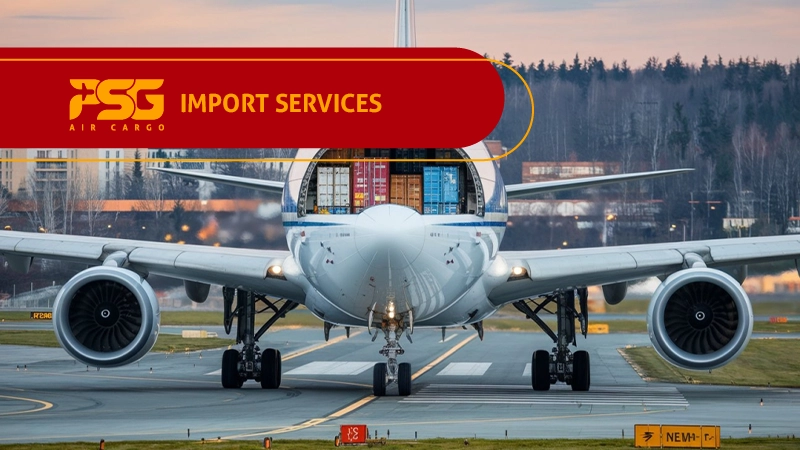
Importing goods in today’s globalized economy is crucial for supplying markets with products that may not be available locally. This article explores the elaborate world of different types of importing, the processes involved, common imported goods, and associated fees, with a particular focus on the UAE. Whether you are a business owner or simply interested in global trade, understanding the dynamics of importing can help you navigate international markets with confidence.
Definition and Overview
Importing goods refers to the process of acquiring products that are produced or manufactured in other countries and bringing them into the domestic market. This process involves several steps, including identifying international suppliers, negotiating contracts, managing logistics, and complying with customs regulations.
The Importance of Importing Goods in Global Trade
Importing goods enables access to a wider range of products at more competitive prices, while also fostering stronger economic ties between countries. Additionally, it enables nations to benefit from the latest international developments, expand consumer choices, and introduce new cultural products and trends.
Step-by-Step Guide to Importing Goods
The process of importing goods involves several essential steps to ensure a smooth and successful transaction.
Market Research
Before starting the import process, it’s crucial to conduct detailed research. This includes understanding the market demand for the products, identifying potential suppliers, and reviewing import regulations.
Supplier Selection
Once you have a list of potential suppliers, it is important to check them carefully. First, look at their business credentials. Then, check their references. You may also want to ask for samples to see the quality of their products.
Negotiation Terms
After selecting a supplier, you must negotiate the sale terms. This includes discussing pricing, payment terms, delivery schedules, and any warranties or after-sales services.
Import Documentation
Importing goods requires a variety of documents. Ensuring that all documentation is accurate and complete is crucial to avoiding delays in customs.
Shipping Arrangements
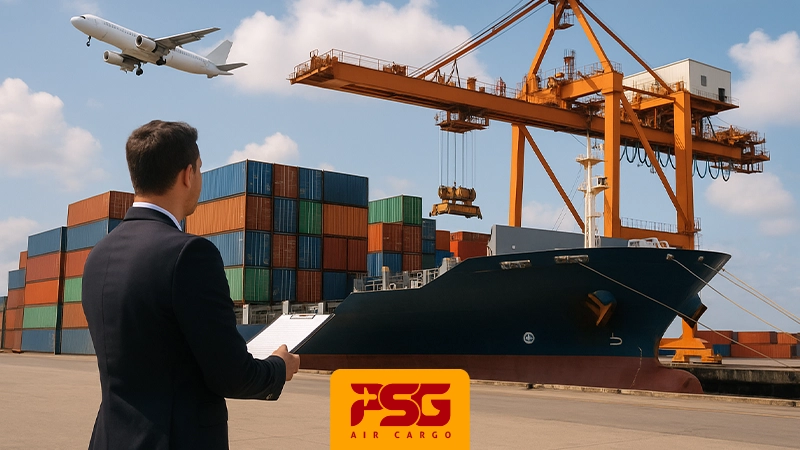
You must select a shipping method (air, sea, or land) based on cost, speed, and the type of goods. Collaborating with a freight forwarder can simplify this process and ensure adherence to shipping regulations.
Customs Clearance
When the goods arrive, they must undergo customs clearance. This process involves submitting the necessary paperwork and paying any applicable duties and taxes. It’s important to collaborate with a customs broker if you are not familiar with this procedure.
Delivery and Distribution
After clearing customs, you need to arrange for the delivery of the goods to your location or distribution center. Once the products arrive, you can start the process of distributing them to your customers. By following these steps carefully, you can effectively navigate the complexities of importing goods and ensure that your business operates efficiently in the global marketplace.
Import Requirements
Import requirements refer to the set of procedures and documentation required by law for the entry of goods into a country. This includes obtaining necessary permits, health and safety certifications, and customs declarations, all of which play a crucial role in ensuring that the imported products meet local regulations and standards. To ensure a smooth and compliant importation process, it is essential to understand and fulfill each of these requirements thoroughly.
- Import license or business registration
- Packaging List
- Certificate of Origin
- Commercial Invoice
- Bill of Lading/ Air Waybill
Legal and Regulatory Considerations
To manage the importing process, it is crucial to comply with a set of legal regulations. This involves the law of the importing country, including customs regulations, tariffs, and import duties. By navigating the legal frameworks, importers can ensure a smoother transition of goods across borders, avoid potential penalties, and foster successful business operations, since trade standards may vary from one nation to another.
Customs Regulations
Customs authorities inspect shipments, and once they give their approval, the goods can be officially declared.
Trade Agreements
Utilizing international trade agreements can help reduce tariffs and simplify the import process.
Compliance with Standards
Certain goods must meet national safety and quality standards or require certification.
Restricted or Prohibited Goods
Some products are banned or require special approval, such as hazardous materials.
Import Fees Worldwide
Importing goods into a country involves various costs that can be categorized into multiple components. First, there are direct costs such as the purchase price of the goods. Secondly, importers must consider shipping fees, which cover the transportation of goods from the supplier to the destination port.
Customs duties & tariffs: imposed by the government on imported goods, which can vary depending on the product type and its country of origin.
Logistics: the fees of insurance, shipping, storage, and port charges
Processing & Inspection: the fee for customs declaration, compliance, and quality check.
VAT/ Sales Tax: the amount of money added to the product price in addition to the duties and shipping fees.
Real-World Examples
Global patterns of importing are changing to minimize delays and reduce costs.
The US
Importing electronics and textiles from India, Vietnam, and Mexico.
Germany
Importing machinery from Poland and Turkey.
Japan
Importing metals and raw materials from Chile and Australia.
Different Types of Imports
Based on various methods and purposes, imports are categorized. Understanding these different types is essential for international trade dynamics and economic relationships between countries. Each category reflects unique practices and goals that influence how products and services are exchanged globally.
- Consumer Goods: Apparel, electronic devices, and food items.
- Capital Goods: Equipment and machinery
- Raw Materials: Metals, chemicals
- Service Imports: Software, IT services, consultancy
- Restricted Goods: Products that need permits
Common Import Goods
Understanding the most commonly imported goods can provide valuable insights into global trade patterns and economic dependencies.
Electronics: Smartphones, laptops
Machinery: Industrial & construction equipment
Vehicles: Cars & auto parts
Pharma: Medicines & medical devices
Apparel: Clothing & footwear
Petroleum products: Refined and crude petroleum
Precious metals and stones: Gold and diamonds
Economic Impact and Benefits
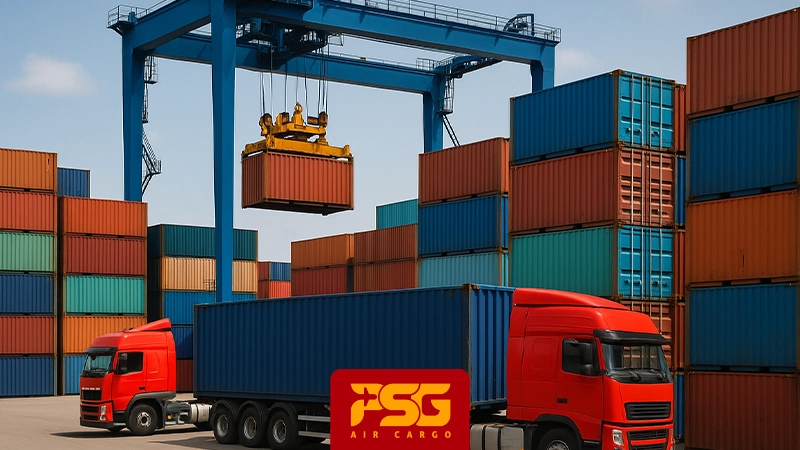
Importing goods positively impacts the economy by giving consumers access to a wider variety of products, which enhances overall satisfaction. It enables economies of scale and competitive pricing from international markets, resulting in lower production and retail costs. Furthermore, importing can create new business opportunities and stimulate job growth in related industries.
Challenges and Risks in Importing Goods
Importing goods offers several benefits, but it also comes with challenges. One major difficulty is navigating the varying international regulations, which can be quite complex. Additionally, unforeseen events, such as geopolitical conflicts or natural disasters, can disrupt the flow of goods. It’s essential to ensure that products manufactured abroad comply with local standards, which necessitates strict quality assurance practices. Lastly, fluctuations in exchange rates can affect pricing and overall profitability.
Key to Successful Importing
To enhance the benefits and reduce the risks, consider following these best practices.
- Conduct in-depth market research
- Establish Strong Supplier Relationships
- Invest in Compliance
- Utilize Technology
- Diversify Suppliers
The UAE
The United Arab Emirates (UAE) serves as a key regional hub for trade, importing goods from countries such as India, China, and various nations in Europe. The imported goods are then redistributed throughout the Middle East, positioning the UAE as a vital center for commerce in the region.
Start a Business in the UAE
To begin an import business in Dubai, you need to obtain an import license, register with Dubai Customs for an import code, and secure a trading license from either the Dubai Department of Economic Development or a free zone authority. The process includes conducting market research, selecting a business structure, and preparing essential documents.
The Most Imported Goods
In the UAE, the main products include vehicles, electronics, gold, and petroleum.
The Import Tax in the UAE
In the UAE, the import tax is 5% of the value of a good, in addition to the cost of freight insurance.
The Bottom Line
Importing goods is a vital component of global trade, offering both substantial economic opportunities and challenges. By grasping the import process, regulatory requirements, and best practices, businesses can successfully navigate the complexities of international trade. PSG Air Cargo functions as a logistics company and provides free consultations to help businesses thrive in an interconnected world.