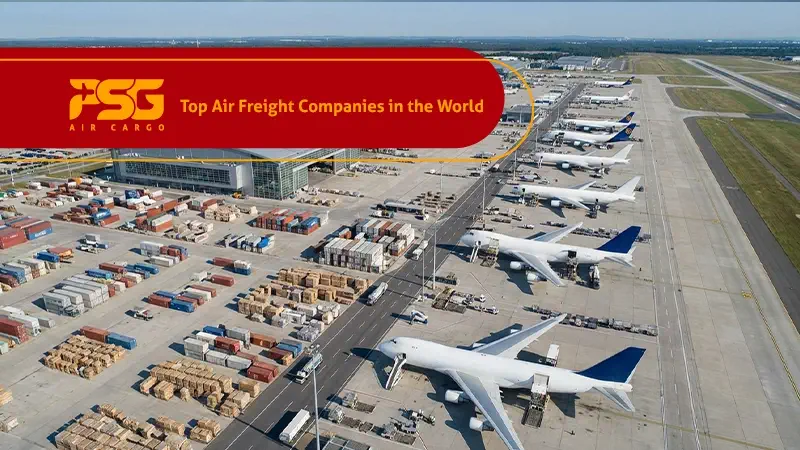
The top air freight companies in the world play a vital role in the global supply chain and domestic and international economy. These companies usually have features such as an advanced and real-time tracking system, a low damage rate, and fast and transparent handling of compensation claims. In contrast to popular belief, which focuses mostly on passenger transport, the cargo sector of the aviation industry is very extensive and includes companies that may not be well-known to everyone, but are essential for industries and businesses. In this article, we will explain all the important criteria for selecting the best air freight companies, how these companies operate, what challenges these companies face, and introduce the most important ones. If you are a business owner who is new to the field of import and export, this article will provide you with a thorough understanding of how air freight works. It is essential to know that when talking about the best air freight companies, those with the highest standards in digital performance, cargo security, and damage management are most known as the best ones, not just companies with large fleets.
The Importance of Air Freight in the Global Economy
The transport mode is an essential factor of trading, which is affected by different elements, including the delivery time. Air freight is the fastest way to transport goods over long distances and is the best option for those seeking to trade certain goods, such as laboratory samples, electronics, medicines, perishables, valuable items, and emergency cargoes. Transporting these types of products is the main reason behind the essence of air freight. However, it plays other roles as well, and here is a list of the different roles played by air freight in the economy:
- Accelerating international supply chains
- Moving essential goods during times of crisis
- Connecting countries to global markets
- Supporting e-commerce
- Speeding up critical industries such as automotive, medical, and technology
For this reason, the best air freight companies in the world are usually those with high cargo capacity (enabling them to handle large shipments efficiently), extensive global networks (connecting major trade hubs across continents), and precise operations (ensuring on-time delivery and real-time tracking capabilities).
Types of Cargo Transport Methods in the Air Industry
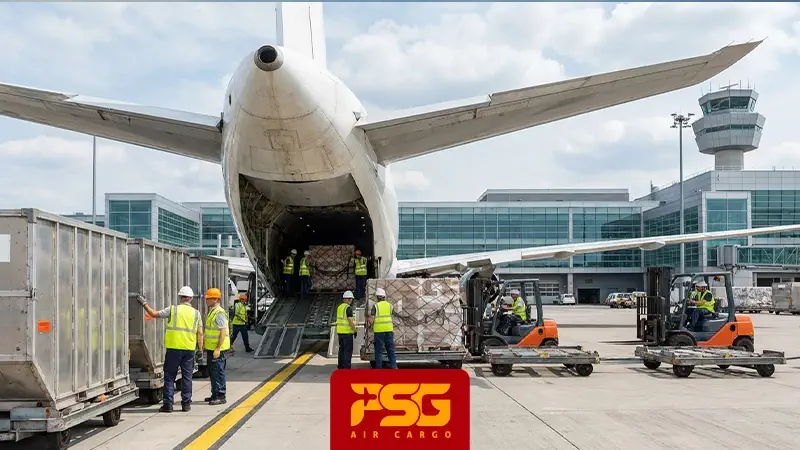
Air cargo transport is recognized for being one of the fastest and most reliable ways to move goods across the globe. The industry typically employs three primary models: belly cargo, freighter cargo, and combi aircraft. Each of these models has distinct operational features, capacity levels, and limitations that influence their use in different shipping scenarios. Understanding these differences is crucial for optimizing logistics and ensuring efficient transport of goods.
Belly Cargo
This type of cargo is transported in the lower cargo compartment of passenger aircraft, typically includes passenger luggage, but it can also accommodate various types of general cargo. This lower space is designed to enhance the efficiency of air travel by utilizing available areas within the aircraft. The cargo transported in this compartment has several key features, making it an important aspect of air freight logistics.
- Wide availability: Due to the high number of passenger flights, it provides a wide and frequent network.
- High speed: Usually the fastest way to transport packages, documents, small cargo, and valuable goods.
- Relatively low cost: Since the main revenue is from passengers, the cost of carrying cargo in the belly is usually more competitive.
- Dependence on passenger cargo: On busy flights, baggage space may reduce the capacity to carry goods.
Freighter Cargo
In this model, the transported cargo uses specialized cargo aircraft, which are specifically designed for freight transport rather than passenger travel. These aircraft are devoid of passenger seats and are equipped with unique features that facilitate the efficient loading and unloading of goods.
- High capacity: Ability to carry bulky, heavy, and oversized cargo.
- Limited routes: Unlike passenger flights, the number of freighter destinations is fewer.
- Higher cost: Due to the complete dedication of the aircraft to cargo.
Here is a comprehensive overview of the advantages.
- Suitable for heavy exports and imports
- Ability to plan independently of the passenger
- Ability to carry emergency, project, and super-heavy cargoes
Combi Aircraft Cargo
The Combi aircraft is uniquely designed with a dual-purpose cabin that accommodates both passengers and cargo. Similar to other aircraft types, the Combi features specific capabilities that enhance its functionality and operational versatility.
- High flexibility: Companies can carry both passengers and cargo.
- More cargo capacity than belly cargo but less than a freighter.
- Limited use today: Many airlines have reduced the use of this type due to safety and cost issues.
How the Best Air Freight Companies are Measured
When evaluating air freight companies, several key indicators are used to rank them and determine which one is the best fit for your needs. Below is a comprehensive list of these important indicators.
- Freight Capacity
One of the most important criteria is the amount of cargo a company carries per year. This indicator is measured by organizations such as the International Air Transport Association (IATA) and the Air Cargo Information (ACI).
- Global Network and Number of Destinations
Companies that possess an extensive network are better positioned to serve a larger number of businesses and facilitate connections between diverse markets around the world.
- Dedicated Cargo Fleet
Some companies operate their own dedicated cargo fleets, while others utilize passenger aircraft that have been modified for cargo transport.
- Special Cargo Capability
Sensitive goods such as vaccines, pharmaceuticals, hazardous materials, and perishable products are of great importance today. Companies that can handle these goods will score higher, which is one of the most essential criteria in measuring the best air freight company.
- Accuracy and Speed of Operations
Consider the delivery time, cargo processing speed, and performance as they are among the important criteria.
- Security and Quality Standards
Quality control, flight safety standards, cargo security, and advanced and online tracking systems are important in this regard.
- Innovation and Technology
Companies that use live tracking technologies, digital management, and automated systems in their cargo centers are likely to perform better.
- Sustainability and Fuel Management
In recent years, the use of sustainable fuels and carbon reduction programs has become increasingly important.
The World’s Largest Air Cargo Companies
Here is an overview of companies that have consistently been recognized as the largest air cargo companies in recent years. The list is derived from public ratings, published data, and a solid understanding of the industry.
PSG Air Cargo
PSG Air Cargo is one of the fastest and most accurate companies in international transportation. This company offers various services globally, including import, export, and customs clearance. All of which are especially important for e-commerce and large international companies, both globally and in the region.
Key Features offered by PSG Air Cargo:
- High safety standards
- Extensive network globally
- Specializing in transporting different types of goods
- A technology pioneer in the cargo industry
- Advanced logistics systems
- Advanced tracking systems
- Exact delivery time management
FedEx Express
It is one of the world’s largest air cargo companies in terms of dedicated fleet and cargo volume.
Key Features:
- Extensive network in the US, Europe, and Asia
- Specialization in transporting time-sensitive goods
UPS Airlines
This company offers highly specialized services and is considered one of the options for the sustainable and reliable transportation of industrial and commercial goods.
Main Advantages:
- A vast network, especially in the US and Europe
- Transportation of medical and temperature-controlled goods
- Advanced warehousing and logistics systems
DHL Aviation
It is one of the most important players in the global logistics industry.
Key Features:
- Global network in over 200 countries
- Specializing in transporting time-sensitive and international goods
- Cooperation with regional airlines worldwide
- Specialized equipment for transporting perishable and dangerous goods
Emirates SkyCargo
The cargo division of Emirates is one of the most recognized air cargo brands in the world. Dubai Airport plays a significant role in the success and speed of this company’s services.
Main Advantages:
- An extensive network between Europe, the Middle East, and Asia
- Modern storage and temperature control technologies
- Specialized services for luxury goods, cars, and live animals

What Makes Air Freight Pricing Different?
Prices vary among air freight companies, and it is a very important point. Although the principles are common, the final price can vary greatly between even two companies, and here is the reason.
- Fleet size and aircraft type
Companies that transport cargo on passenger flights (Belly Cargo) usually offer more competitive prices. However, freight cargo has a higher fixed cost, which leads to higher pricing rates. These types of cargo companies offer faster speed and larger capacity, which also require higher pricing rates.
- Flight network and number of stops
Direct flights are more expensive, and companies that have to make long routes or multiple stops have different prices.
- Delivery speed (Express vs Standard)
Express services delivery time is within 24-48 hours; however, in economy services, it usually takes longer. For that, express services are more expensive than the standard ones. It is important to know that some companies only have one type of standard service.
- Origin and destination countries
Air freight pricing varies based on trade agreements between countries, which can reduce or eliminate certain tariffs and customs duties. Additionally, value-added taxes (VAT), import duties, and security fees directly impact the final shipping cost. Some countries also impose aviation taxes or airport handling fees that add to the base freight rate.
- Fuel cost and airport fees
Different companies have their own methods for calculating fuel charges. Some choose less-expensive airports, which allows them to offer more competitive rates.
- Type of contract with customers
Different companies establish varying rates influenced by a range of factors. These factors can differ from one company to another, leading to a diverse set of pricing structures across the industry.
- Auxiliary logistics services
Certain companies enhance their flight offerings by providing additional services such as warranty, clearance, packaging, and tracking. These added features can contribute to an increase in the overall cost of flights.
How Cargo Tracking and Damage Management Set the Best Air Freight Companies Apart?
In the air transport industry, a company’s true quality is beyond just fleet capacity and route networks. It is most shown in two critical areas:
- Accurate cargo tracking throughout the journey: This ensures that customers are informed about the status of their shipments at all times, enhancing trust and reliability.
- Management of damage and handling of liability: How effectively a company addresses issues related to cargo damage and the processes for liability can significantly impact customer satisfaction and confidence.
These two factors are key considerations for customers when selecting an air carrier, as they greatly influence the overall service experience.
The Role of Advanced Tracking in Ranking the Top Companies
The best air transport companies do not use tracking systems just to display simple information such as cargo loaded; Rather, they utilize the following technologies:
- Real-Time Tracking: Top companies use GPS and temperature sensors so that the customer can track the status of the shipment second by second. These features are usually not available in medium-sized companies.
- Integration with IATA systems: Top companies are usually connected to IATA digital networks, and this greatly reduces the possibility of cargo loss and handling errors.
- Cargo status transparency: Top companies give customers a sense of security by providing clear and step-by-step details such as transit status, loading, unloading, and being ready for delivery. While average companies usually only provide a few general statuses.
Damage management: The key to determining the best airlines
In the air industry, damage and delays are inevitable, but how the company responds shows the main difference between high-end and average companies.
- Speed and ease of handling: Top companies usually have online portals for reporting damage, receiving documents digitally, and providing answers and results of the investigation within specified times. In comparison, average companies have slow and paper-based processes.
- Transparency: In the best companies, the application process and the required documents are announced with full transparency, and customers know exactly when and under what conditions they can receive compensation. This transparency itself is an important measure of professionalism.
- Low damage rate: Top companies naturally have a lower rate of damage and loss rates than small companies due to professional handling, training, and strict warehouse safety systems
Customers pay attention to these two criteria when choosing the best companies, because even if a company has a large fleet, covers many destinations, or offers a good price, but the cargo still cannot be properly tracked or is not responsive at the time of damage, the value of its services will be seriously reduced. Companies that perform well in these areas are usually included in the top air freight companies.
How to Choose the Best Air Freight Company
Despite all the challenges and issues that air freight companies face, importers and exporters still choose air freight to transport their cargoes due to many essential reasons. Below is a set of factors that must be considered when selecting an air freight company.
- Reviewing the company’s experience and reputation
- Its global network and destination coverage
- Type of services
- Price of services
- Quality of support
- Fast and reliable delivery
- High security for sensitive goods
- Advanced tracking systems
- Modern warehousing
Common Challenges Faced By Air Freight Companies
- Capacity limitations and lack of cargo space
Many cargo companies are faced with a lack of capacity at airports and aircraft due to factors such as a limited number of dedicated cargo aircraft, limited storage space at airports, and strict rules on the types of goods that can be transported. All of these issue causes delays in shipping, increase costs, and reduce customer satisfaction, and are among the most challenging that air freight companies face.
- Problems with transporting sensitive and special goods
Air cargo includes a wide variety of cargoes, sometimes dangerous, which are difficult and challenging to transport, and there may also be a need for precise temperature and humidity control, and special packaging for some products. The high cost of insurance and the possibility of cargo being rejected at the inspection stage are major problems.
- Complexity and severity of international cargo regulations
Cargo transportation has one of the heaviest regulations of any industry, including Cargo Security Standards, Customs Restrictions, Animal Health and Veterinary Regulations, and IATA Dangerous Goods Regulations (DGR). Following these regulations requires specialized staff, ongoing training, and high costs.
- Customs and Inspection Delays
One of the biggest problems for air cargo companies is the long customs clearance time due to documentation checks, security control, insufficient shipper documents, long inspection lines, and limited customs opening hours. It is important to know that even a one-hour delay at customs can disrupt the entire supply chain.
- High Cargo Operation Costs
Air cargo operations involve different expenses, which contribute to the low profit margins experienced by many cargo companies. Understanding these costs is essential for individuals involved in the air freight industry. Below is a list of the various expenses associated with air cargo operations:
- Loading equipment
- Refrigerated warehouses
- Cargo insurance
- Cargo aircraft maintenance costs
- Higher fuel costs relative to cargo value
- Supply chain vulnerability
The air cargo industry depends on a global supply chain, and any disruption can affect it. Some of which are airport or customs strikes, tracking system failures, sudden security checkpoints, destination rule changes, and air route closures. These factors can hold up cargo for several days.
- Supply-demand mismatch
The air cargo market is unpredictable. Peak seasons, such as holidays or shopping festivals, can cause a sudden rise in e-commerce order volumes. Besides that, crises that suddenly reduce demand to zero or multiple times (such as Covid) are an important issue to be considered, and managing these fluctuations is difficult for many companies.
- Intense competition with land and sea logistics companies
Air freight is very fast but more expensive than other methods of transportation. Therefore, air freight companies compete highly with ships (for bulky cargo), high-speed trains, affordable land transport, and multimodal transport. If fuel prices increase, companies may move their cargo to other methods.
- Technology problems and the need for digitalization
The cargo sector in many countries is not yet as digitalized as the passenger sector. Thereby, there are several common problems from outdated tracking systems, paper-based waybills, a lack of coordination between airlines, customs, and brokers, and high dependency on human resources. All of which increases the risk of errors, delays, and lost cargo.
- Security and smuggling risks
Air cargo is an attractive target for smugglers and criminals. Therefore, Air freight companies must invest heavily in security. Here are some of these security issues:
- Shipping of prohibited goods with forged documents
- Requirement of advanced scanning and expensive equipment
- Cargo Damage and Loss
Although air cargo is fast and safe, it still carries risks. Improper packaging, transportation with the wrong equipment, rapid unloading and loading on transit flights, and more issues can cause financial losses, insurance claims, and loss of customer confidence.
- Cargo-specific weather problems
Some cargoes, such as perishable food, medicines and vaccines, and delicate electronics, are extremely sensitive to weather changes. The slightest delay due to storms, snow, or wind can lead to cargo damage.
- Pressure to reduce carbon emissions
Cargo companies, especially those involving heavy aircraft, have high carbon emissions. Therefore, they need to use sustainable fuels, which are expensive and environmental taxes. Besides that, these air freight companies face pressure from large customers who are environmentally conscious to transport more sustainably, but changing fleets or fuels is very expensive.
Final Thoughts
The top air freight companies in the world are the key players in the global economy, international trade, and the transportation industry. These Companies have built an extensive global network offering high safety and quality standards. Advanced infrastructure for transporting special goods and using modern technologies and sophisticated logistics systems has made these companies among the world’s top carriers. For importers and exporters, several criteria are at the top of the list when it comes to choosing an air freight company, including traceability, cargo damage and loss rate, quality of complaint handling, and speed of response. Companies such as PSG Air Cargo provide customers with technological innovation and ensure their clients that prioritize the delivery speed and environmental awareness.
FAQ
Is air cargo insurance necessary?
It is optional, but strongly recommended for valuable or sensitive goods.
How long does it take to ship by air?
It depends. Based on the route, it can be express, standard, or economy.
Is it possible to ship refrigerated and frozen goods?
Top freight companies offer cool chain services.



Leave a Reply
Want to join the discussion?Feel free to contribute!