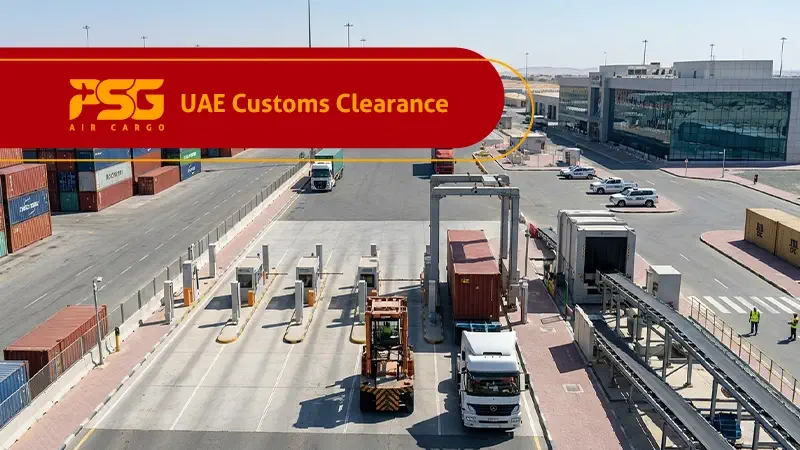
UAE customs clearance is one of the most important aspects of the trading landscape in the region. With a large network of ports and free zones, the UAE has become a global trading hub, and many companies from all over the world trade through this country. To be successful on this path, it is important to understand the regulations, required documents, customs laws, administrative procedures and possible challenges. Even a slight difference in documentation, classification, incorrect registration or failure to comply with legal requirements can cause long delays, additional costs and even fines. In this article, all the main aspects of customs clearance in the UAE are explained so that new traders experience a hassle-free customs clearance process.
The Importance of the UAE Customs Clearance
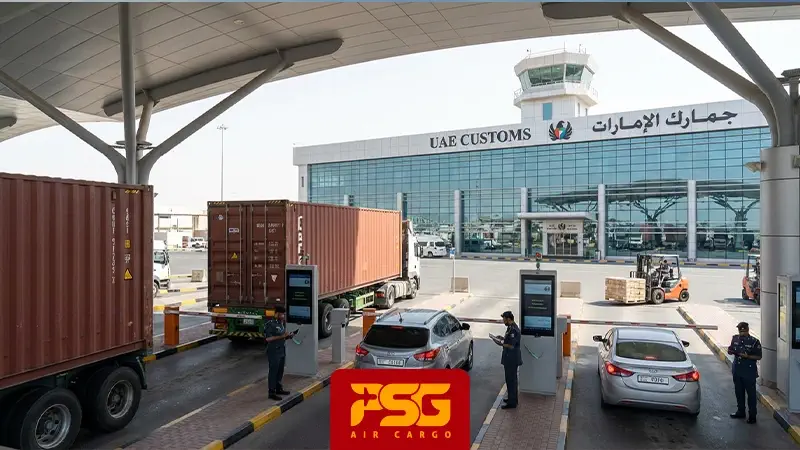
The UAE has a set of customs laws and procedures for the entry and exit of goods. These laws are designed to control trade security, prevent the entry of unauthorized goods, collect duties and comply with national standards. A successful trader should know that customs laws include factors such as transparency of product information, correct declaration, compliance with commodity classification codes, compliance with special regulations for sensitive goods, obtaining pre-entry permits and compliance with regulatory processes. Every product entering the United Arab Emirates must be declared, and its detailed information must be recorded in the customs electronic system. The product owners must demonstrate that the goods have entered the country under the supervision of a legal entity and have obtained all the necessary standard permits. Carelessness at this stage can lead to unexpected costs or long delays in administrative procedures.
The Process of Customs Clearance in the UAE
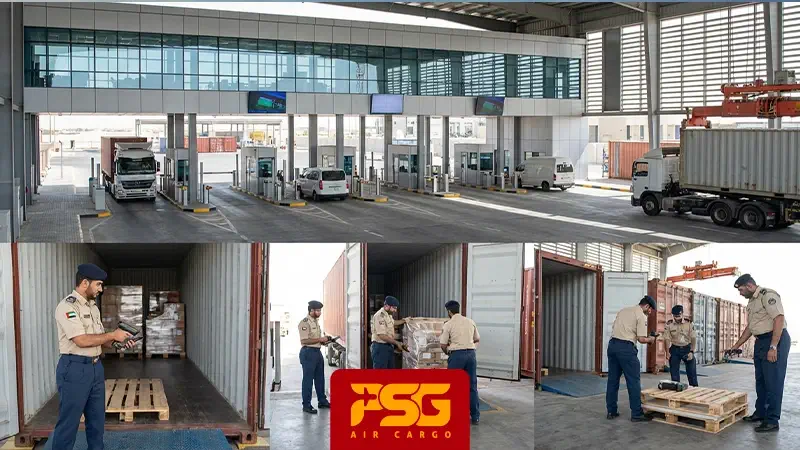
The process of clearance in the UAE is carried out in a completely systematic and largely digital manner. The trader must register the goods information in the customs unit system and upload the documents. After registering the declaration, the goods enter the inspection stage. Customs officials evaluate the documents and check the accuracy of the information, classification, permits and compliance of the goods with import laws.
In many cases, the clearance process is carried out without the need for a physical inspection of the goods; however, goods that fall into the risk indicators may be inspected. This inspection may only include a document inspection or may require opening the shipment and matching the contents with the declaration information. After final approval, the trader pays the legal fees through the electronic system and the goods are released and can be moved to a warehouse, domestic market or other destination. If the goods are delivered to a free zone, the administrative process is usually simpler, but registration of documents and full compliance with the law will still be required.
Legal Framework and Compliance Requirements
The UAE customs laws are based on international standards, and the classification of goods is also defined in line with the global system. All goods must have complete specifications, valid labels and traceable commercial information. In addition to document review, customs officials also monitor compliance with safety standards, quality, production sources, and compliance with national regulations. Payment of customs fees is also done through digital systems, and the processes of payment, receipt of documents, and approvals can be tracked electronically.
Required Documents for Clearance in the UAE
A set of official documents must be provided for clearance. These documents must be complete, valid, legible and in accordance with the information declared in the customs system. Any discrepancy between the information on the documents and the information on the declaration may result in the documents being stopped or re-examined. For special goods such as industrial products, special equipment, medicines, foodstuffs, laboratory goods or medical devices, it may be necessary to provide supplementary documents, health permits, standard certificates and official approvals. Companies that trade regularly usually standardize their documentation system so that all documents are ready before the goods arrive and the clearance process is completed with minimal delay. The most important documents required include the following:
- Commercial invoice with a detailed description of the goods
- Packing list including the weight, number and dimensions of each package
- Bill of lading or transport document
- Certificate of origin
- Detailed information on the classification of goods according to the Global Classification System
Common Challenges in Customs Clearance
Although the UAE’s customs system is advanced and digital, many traders may still face some challenges, and each of them can delay the clearance process. To avoid such problems, experienced traders usually work with specialized logistics companies and trusted customs brokers. Some of these common challenges include:
- Inconsistency between the information recorded in the documents and the declaration
- Wrong selection of the commodity classification code, which leads to incorrect calculation of the cost or delay in clearance
- Lack of awareness of conditional goods and the need to obtain a pre-entry permit
- Late registration of documents in the system
- Lack of a professional representative for administrative follow-up
Special Regulations for Free Zones
The UAE has an extensive network of free zones, and many of these zones were established with the aim of facilitating international trade, and foreign companies can operate in them under simpler conditions. Goods entering free zones are not subject to duties until they are transferred to the domestic market. This is very valuable for businesses that plan to trade goods in the zone after processing, storage or packaging.
In contrast, when goods enter the domestic market from a free zone, the full clearance process must be completed, and the relevant fees are applied at this stage. Therefore, choosing the right place is very important to reduce project costs and speed up business operations. However, if the goods that were initially exempt from duties are later transferred to the domestic market, customs duties will be required to be paid upon exiting the free zone.
Prohibited and Conditional Goods in the UAE
Not all goods are allowed to enter the United Arab Emirates. Some goods are prohibited, and their entry is against the law. Others can only enter the country if special permits are obtained. These restrictions are imposed for various reasons, such as national security, public health, compliance with international regulations, maintaining social order or cultural considerations. Conditional goods are another group whose entry is free but requires prior authorization from specialized organizations. For example, goods such as food products, pharmaceuticals, chemicals, special industrial equipment or products that may affect human health or the environment require official authorization from the relevant authority. If the goods enter the country without authorization, the clearance process is stopped, and the owner of the goods must provide the necessary documents, or the goods may be returned.
Final Thoughts
UAE customs clearance is a systematic process that requires familiarity with laws, regulations, electronic procedures, and customs structures. Companies that accurately record product information, prepare their documents in advance, interact professionally with customs authorities, and understand the laws related to free zones and the domestic market well can import their goods into the country without delay and at the lowest cost. Given the intense competition in the market and the time sensitivity of global trade, having a team of experts, knowledgeable customs consultants, and cooperation with experienced companies in the field of logistics, such as PSG Air Cargo, can be the big difference between business success and failure. The UAE offers vast opportunities for investment and trade, and a thorough understanding of customs laws is the first step towards professional entry into this large and dynamic market.
FAQs
How long does the customs clearance take in the UAE?
It depends, from hours to days. Delays can happen due to errors such as incomplete paperwork.
Are there any goods exempt from customs duty in the UAE?
Yes. Some items can be exempted, such as goods from the GCC countries.
Is it better to use a company for customs clearance?
It is recommended to do so and prevent costly delays.



Leave a Reply
Want to join the discussion?Feel free to contribute!