An import-export license in the UAE is a crucial requirement for anyone looking to engage in trade, whether on a global or domestic scale. The UAE has established itself as a prominent logistics hub, making it an attractive destination for business investors and traders. If you aspire to become a licensed importer or exporter, this article is for you. Having an import-export license enables business owners and logistics professionals to conduct the shipping process in a legally compliant manner. In this article, we guide you through each step of obtaining an import-export license in the UAE. This includes everything you need to know, from the necessary permits to the associated costs. This license ensures that you comply seamlessly with UAE trade regulations and customs laws.
The Importance of the License
Obtaining an import-export license in the UAE is crucial for traders seeking to engage in international trade. This license enables business owners to ship their products legally, ensuring compliance with UAE trade regulations and protecting shipments from legal issues and potential fines. It also allows trading with GCC countries and enhances credibility in the marketplace.
A Step-by-Step Guide for Obtaining an Import Export License
To begin the process, you need to select the type of business you want to operate and the jurisdiction in which you will be licensed. If you choose a mainland license, you will be permitted to trade across the UAE; however, you may be required to have a local partner. Conversely, with a free zone license, you can enjoy 100% foreign ownership and benefit from tax advantages. Next, you need to register a business name, ensuring that the phrase “import export” is included in your trade license issued by the Dubai Economic Department (DED) or the relevant Free Zone authority. Once your business name is approved, you need to open a corporate bank account and secure a workspace. With an import export license, traders and business owners can also apply for visas.
Here is a detailed process outline:
- Choose your business activity
- Select the jurisdiction (Mainland or Free Zone)
- Register the business name
- Receive initial approvals
- Submit the business license application
- Complete customs registration
- Obtain any special permits
- Open a corporate bank account
- Choose your office space
- Apply for visas
Visa Options for Import Export Business Owners
The UAE provides a range of opportunities for business owners, investors, and entrepreneurs. One option available is the investor visa, designed for individuals who invest in a business in the UAE, regardless of the industry in which it operates. This visa grants long-term residency. Additionally, if you establish a company in a free zone, you can apply for a free zone visa.
Customs Registration
Customs registration is a crucial step for business owners and traders seeking to import and export goods in the UAE. Obtaining a Customs Import Code is mandatory for businesses to operate legally and comply with regulations. This code acts as an identifier that links the UAE customs system with the respective companies.
The registration process requires the submission of the following documents:
– Trade license
– Shareholder passports
– Tenancy contract or Free Zone office certificate
Import Code vs Trade License
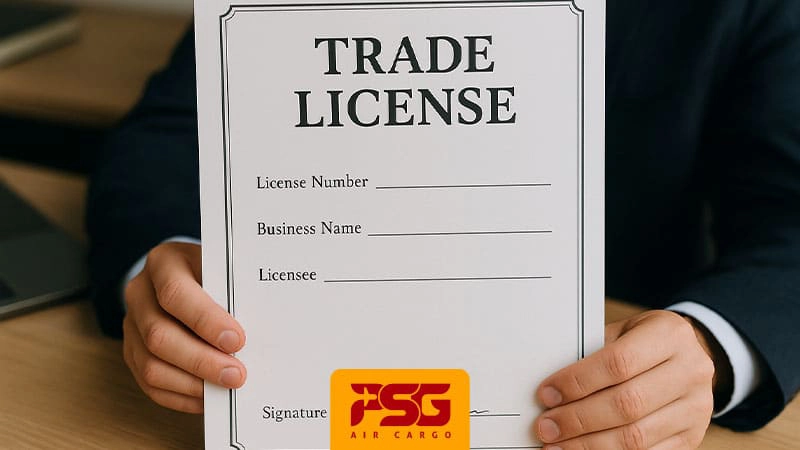
Both the Customs Import Code and the trade license are necessary for legal operations as an import-export company. However, it is essential to note that while the trade license authorizes your business, the import code is required for customs clearance.
Import Export License Costs in the UAE
The cost of an import-export license in the UAE varies depending on the type of business and the chosen jurisdiction. If you apply for a mainland license, the costs will generally be higher due to increased company setup expenses. In contrast, obtaining a permit in free zones tends to be more affordable and flexible in terms of pricing. Additionally, there are other costs to consider, such as customs registration, visa fees, and workplace expenses. It is important to note that specific renewal fees must be paid annually; failing to do so can result in penalties and fines.
Benefits of Obtaining an Import Export License
Free zones allow foreign investors to retain 100% ownership of their businesses, eliminating the need for a local partner. This is one of the primary reasons many traders seek an import-export license in the UAE. Furthermore, the UAE boasts modern logistics and port infrastructure that connect to global logistics hubs, making it an attractive location for international trade and commerce.
Final Thoughts
An import-export license in the UAE is essential for conducting international trade or domestic trade. This license ensures compliance with local regulations. Obtaining a valid trade license allows businesses to operate smoothly and efficiently. At PSG Air Cargo, we guide businesses through every step of the process, ensuring that your trade operations incur no unexpected costs or fines.
FAQs
Are foreigners allowed to own 100% of an import-export company in the UAE?
Yes, 100% foreign ownership is allowed in most Free Zones.
How long does it take to get an Import Export License?
Typically, between a few days and a couple of weeks.
Can I trade within the UAE with a Free Zone license?
You can trade internationally and within Free Zones, but you need a local partner.



Leave a Reply
Want to join the discussion?Feel free to contribute!