OOG loads are goods whose dimensions, weight, or shape exceed the limits set for transporting regular loads for export and import. Moving these loads has become one of the most challenging aspects of transportation, as they require specialized equipment, careful planning, and permits. OOG loads may be necessary, especially in heavy industries, large construction projects, or when transporting large, specialized equipment. These loads may be unusually large or heavy in terms of dimensions (length, width, height), weight, or both. This type of transportation is usually carried out by road, sea, air, or rail, and specific equipment is used depending on the load’s characteristics. For this reason, OOG cargo handling is recognized as a specialized industry that requires adherence to safety principles, careful planning, and the use of advanced technologies. In addition, each type of OOG transportation presents its own challenges, ranging from legal and regulatory restrictions to high equipment and labor costs. This article analyzes the OOG cargo handling process in detail, highlighting the importance of selecting appropriate methods and equipment, careful planning, and efficient management to ensure safe, cost-effective transportation of this type of cargo.
Characteristics of OOG Cargo
OOG cargo has characteristics that distinguish it from conventional cargo. These characteristics are described below:
- Unusual dimensions
OOG cargo is usually larger than standard transport dimensions in terms of length, width, and height. For example, standard dimensions for transporting cargo on roads are generally limited to 2.5 meters wide and 4 meters high. If the load exceeds these dimensions, it is classified as an OOG load. These loads may include tall or wide structures, large industrial components, or bulky machinery.
- Overweight
In addition to their dimensions, OOG loads are usually heavier than normal. This excess weight may be in a single piece or multiple components. Due to the high pressure they place on infrastructure and equipment, moving these loads requires specialized machinery and methods.
- Unusual shape
OOG loads may also differ geometrically from standard loads. These special shapes can make moving the load more complicated and may require specialized equipment or handling methods. Loads with special or unusual geometric shapes must be loaded with greater care.
Types of OOG Loads
OOG loads come in many different types, some of the most important of which are:
- Heavy industrial machinery and equipment
Including construction machinery such as cranes, excavators, and heavy mining equipment.
This equipment is often classified as OOG due to its large size or weight.
- Power plant and renewable energy equipment
Such as wind turbines, solar panels, and energy generators.
This equipment is typically used in large energy projects and power plant construction and is considered OOG loads due to their large size and weight.
- Transportation or infrastructure components
Including bridges, towers, and structural components used in construction and civil engineering projects. These types of loads are typically classified as OOG due to their large size and weight.
- Special Projects
Transportation of space equipment, aerospace components, and other unique loads that may be identified as OOG due to their specific dimensions, shape, or technology.
Equipment and Methods for Transporting OOG Loads
Special equipment and methods are required for transporting OOG loads, some of which are as follows:
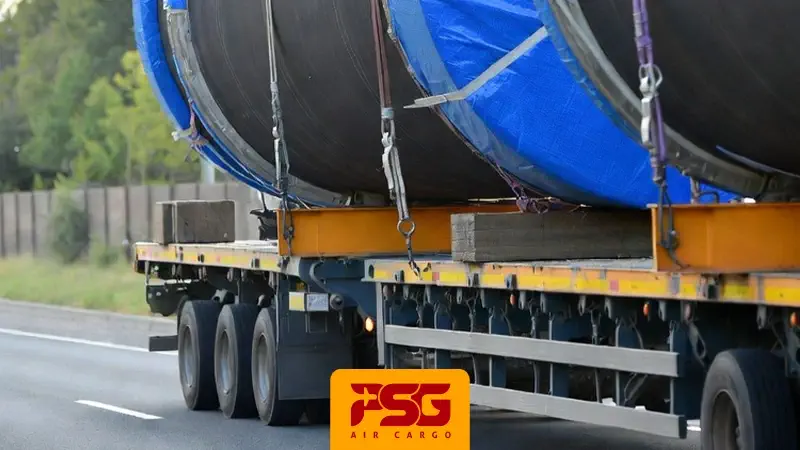
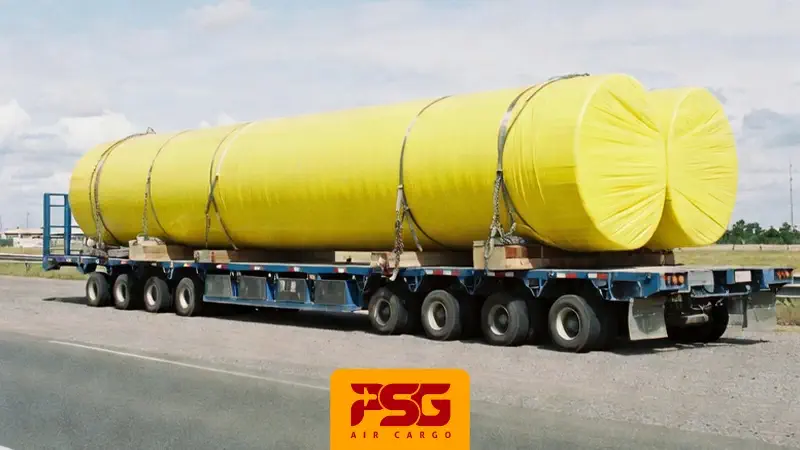
- Special trailers (Heavy Lift Trailers)
These trailers are capable of transporting heavy and large loads. Special trailers feature unique designs that are movable and adjustable to transport various loads. The features of these trailers include removable axles for better weight distribution and to prevent road damage, a very high load-bearing capacity, capable of carrying loads weighing hundreds of tons.
- Heavy Lift Ships
Ships specifically designed to carry heavy and unusually sized cargo, such as special dock ships or flat-bottomed ships that can easily carry heavy loads. These ships are often used in the transport of OOG cargo in the energy industry and construction projects.
- Cargo aircraft
Air transport of OOG cargo is usually used for goods with special dimensions and relatively low weight compared to sea and land cargo. This method is suitable for the rapid delivery of cargo to specific locations.
- Rail transport
When road or air transport is not suitable, rail transport is used. Rail wagons are specifically designed for OOG cargo and can be configured to transport heavy, oversized cargo.
Challenges and Problems in Transporting OOG Cargo
The transport of OOG cargo comes with many challenges. Here is a list of the most important challenges.
- Special permits and legal restrictions
Transportation of OOG cargo usually requires special permits from state and local authorities. These permits may include restrictions, such as specific timing and permitted routes.
- Complex planning
Transportation of OOG cargo requires careful planning. These cargoes require routes free of obstacles, aligned with weather conditions, and equipped appropriately. Sometimes, there is a need to modify roadways, relocate municipal equipment, or cooperate with the police to regulate traffic.
- High Costs
Transportation of OOG cargo can be very expensive. These costs include rental of specialized equipment, transportation permit fees, insurance premiums, and labor costs.
- Safety Issues
OOG cargoes can pose significant safety risks due to their large size and weight. Risks include infrastructure damage, road accidents, or cargo damage.
Final Thoughts
OOG loads management is a complex and specialized process that requires precision, careful planning, and specialized equipment. This type of transportation plays a vital role in heavy industries and large industrial projects. However, OOG cargo transportation presents many challenges, including legal restrictions, high costs, safety issues, and the need for advanced planning. Ultimately, success in transporting OOG cargo requires close cooperation between transportation companies, government officials, and technical experts. With technological advances, process improvements, and the use of newer equipment, challenges can be reduced, and transportation can be achieved more efficiently and safely. Given the challenges and high costs of this type of transportation, technological advances, stricter regulations, and new solutions can play an important role in improving performance and reducing risks. PSG Air Cargo serves as a reliable, trusted logistics partner for businesses seeking to grow their brands globally.
FAQs
Are there any risks involved in transporting OOG cargo?
Yes, transporting OOG cargo can involve risks such as road damage, accidents, or damage to other cargo.
Can OOG cargo be transported on any route?
No, due to their large size, these cargoes may not be able to pass under bridges, gates, or regular roads, so special permits may be required.
What are the main challenges in transporting OOG cargo?
choosing the right route, using the right equipment for the transport, requiring special permits, and risks.

Leave a Reply
Want to join the discussion?Feel free to contribute!