
The world’s largest exporter in international trade reflects a country’s economic strength and global standing. This position creates significant opportunities and challenges for those involved in transportation, logistics, and trading. If you are new to the field, this article will help you understand why China continues to top the list of world exporters and the key features that have enabled it to do so. We explain how a combination of experience, infrastructure, and smart trade policies allows a country to lead the export market. A country’s exports represent its industrial capabilities, innovation, supply chain management, and ability to engage with global markets. A deep understanding of this topic helps companies choose their trade routes wisely and take advantage of opportunities in international markets.
China: The World’s Export Hub
China produces and exports a large volume of products while maintaining quality, variety, and accessibility across global markets. Therefore, its export system combines mass production, advanced manufacturing, and competitive pricing, which is the foundation of its success in global trade, leading it to become one of the central hubs of global supply chains. Below is a list of features that have helped it maintain this position. Together, these features contribute to China’s dominance in global trade, ensuring it remains a key player in the world’s supply chains.
- Diversity of Export Products
One of the main reasons behind China’s position is the wide range of its products. China’s exports include industrial machinery and electronic equipment, as well as consumer products such as furniture, clothing, and household appliances. This diversification allows China to maintain its position under different economic conditions and easily attract new markets.
- Strong Logistics Infrastructure
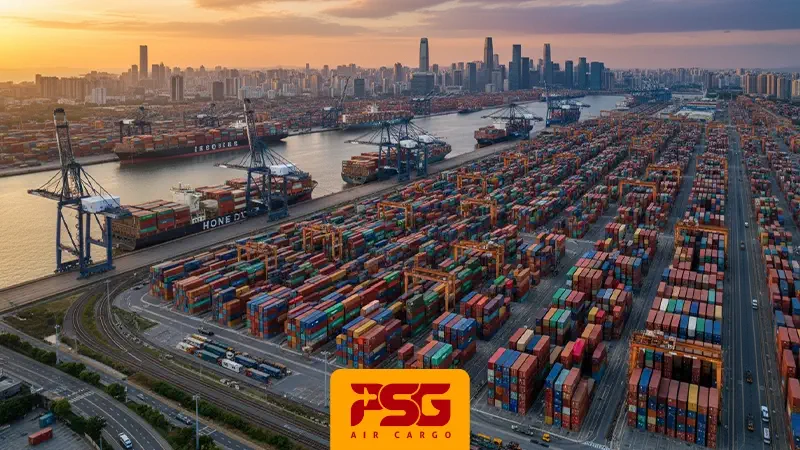
Exports are about transporting goods to global markets, and China offers an extensive network of ports, railways, roads, and airports, enabling the fast and safe movement of goods. This infrastructure makes it easy for foreign companies to do business with China and ship their goods to international destinations safely and hassle-free.
- Innovation and Technology
China has expanded its capabilities by shifting its exports toward technology-based products; therefore, the country is no longer known just as a producer of low-cost goods but has also gained a significant share of the global market for its advanced equipment, industrial machinery, and electronics. This innovation gives China one of its biggest competitive edges, even over advanced industrial countries.
- Smart Trade Policies
By implementing long-term trade policies and market development plans, China has reduced its dependence on limited markets, which is another reason why it remains the world’s largest exporter.
The Impact of China’s Exports on the World Economy
China’s exports have contributed to both its domestic economic growth and the global economy. Many countries, developed or developing, now depend on Chinese goods because of China’s export strength. This dependence includes raw materials, industrial components, electronic equipment, and consumer goods. For logistics and international trade professionals, this means sufficient opportunities to provide transportation, warehousing, and customs clearance services. Therefore, by establishing close relationships with Chinese suppliers, companies can design reliable and cost-effective routes to move goods to local and regional markets.
Opportunities for GCC Countries
Companies operating in the UAE and other GCC countries can benefit from trading goods with China since this country has remained an attractive partner due to the affordability and simplicity of trading with Chinese suppliers. Its high production volume and extensive logistics infrastructure keep costs relatively low, allowing for cost-effective shipping.
Moreover, the considerable flow of products traded between China and the GCC countries creates more opportunities for transportation, forwarding, and clearance companies. Offering a variety of services from sea and air transportation to warehousing and customs clearance can also create great added value. Besides that, establishing long-term relationships with Chinese suppliers can make supply chains more stable and allow for more precise export planning.
Top Challenges in Global Trade
Business owners and professional traders face a range of challenges today that impact economic growth, efficiency, and competitiveness, from rising operational costs and the complexity of customs regulations to global supply chain disruptions, and navigating these issues requires adaptability and strategic management. Understanding these challenges is important for staying ahead in the global trade landscape. Below are some of the main challenges:
- Intense Competition
Despite many opportunities, competition in the market for trading goods between China and other countries is very intense, and companies, especially in the GCC countries, must maintain their position through differentiated services, fast delivery, and competitive pricing.
- Logistical Complexities
The high volume of Chinese exports creates complexities in transportation and clearance. Careful planning, scheduling, documentation management, and coordination with various customs authorities are critical.
- Economic Dependence
Over-reliance on China carries risks such as policy changes, tariffs, or supply chain disruptions. Diversifying supply sources is important to mitigate these risks.
China’s Export Trends in the Future
China is now focusing on technology-based goods and high-value-added products, including advanced industrial equipment, electronic devices, and emerging technologies. Additionally, China has started entering into new markets, driving further growth. With rising awareness of sustainability and environmental concerns, China has also begun aligning its exports with green standards. Logistics and forwarding companies can take advantage of these developments, creating promising opportunities for regional companies in the GCC.
Final Thoughts
The world’s largest exporter is a country with a combination of experience, product diversity, advanced logistics infrastructure, and smart trade policies. China has established itself as the world’s largest exporter because of a combination of factors, including extensive experience in international trade, a diverse range of products, a well-developed logistics infrastructure, and effective trade policies. These elements have contributed to its long-standing dominance in global exports.
Therefore, if you are a business owner in the UAE or other GCC countries, it creates a unique opportunity to develop businesses in the field of trade. However, it is worth mentioning that you need a trusted logistics partner by your side, such as PSG Air Cargo, to help through the whole process of shipment from customs clearance to the final delivery, which helps your brand to grow in a safer way and maintain its position among the professionals.
FAQs
Which country is the world’s largest exporter?
China is currently the world’s largest exporter.
Which countries come after?
The United States and Germany lie in the second and third positions.
Does the “largest exporter” mean the richest country?
Not necessarily. Export volume is just one metric.



Leave a Reply
Want to join the discussion?Feel free to contribute!