Traditional export continues to play a crucial role in global trade, even in the era of digital commerce and B2B platforms. For business owners who may not be well-versed in digital platforms, opportunities still exist in the trading sector. This article aims to guide those interested in traditional exporting. Despite the growth of online channels, traditional exporting remains fundamental across industries such as machinery, equipment, raw materials, and agriculture. Many companies prefer direct approaches to accessing international markets. In this article, we define traditional exporting, outline the essential steps involved, discuss its key benefits, address the significant challenges faced, and examine the latest trends influencing this sector.
Definition of Traditional Exporting
Traditional exporting involves manufacturers producing goods in their home country and selling them to international buyers via various modes of transportation, such as ships, planes, or trucks. This process does not prioritize digital platforms; instead, it relies on direct business relationships, negotiations, and formal documentation. Many companies prefer this method, especially when factors like quality control, specialized shipping, and personalized service are top priorities.
Traditional Export Steps
Traditional export involves a series of structured steps that help businesses sell their goods from their home country to international markets. Each step ensures compliance and facilitates a smooth delivery to customers abroad. From identifying target markets to handling customs clearance, these steps create a blueprint for successful and efficient trade. Below is the step-by-step process:
- The Target Market Identification
First, conduct thorough market research to identify high-demand products across markets. This will help you determine the most suitable market for your product. Additionally, you should review your competitors, analyze current trends, and understand the regulations in each target market.
- Finding a Foreign Buyer
After identifying the target market, you need to find potential buyers who are interested in your products. This can involve attending trade shows, reaching out through business associations, or using established networks.
- Negotiation
Next, you should negotiate all terms of the contract, including price, payment terms, packaging, shipping, and the delivery schedule. A well-defined contract helps prevent misunderstandings.
- Export Documents Preparation
Documentation is among the most essential aspects in traditional export. Common documents include:
- Commercial Invoice
- Packing List
- Certificate of Origin
- Bill of lading/airway bill
- Transport Insurance
- Customs Permits
- Packaging and Shipping
At this stage, the shipping company manages packaging and begins shipping the products. It is essential to note that all products must comply with the destination country’s standards.
- Customs Clearance and Final Delivery
After the product arrives, the customs broker handles the entire customs clearance process and arranges final delivery, ensuring the buyer receives the products on time.
Benefits of Traditional Export
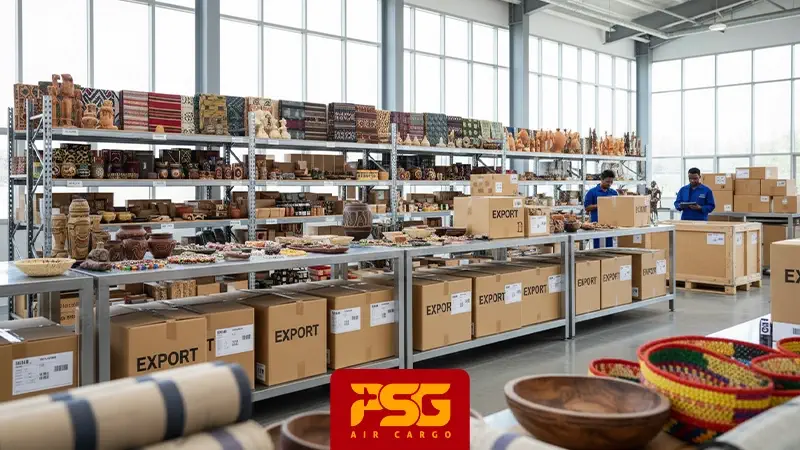
Traditional exporting offers several key advantages that contribute to its reliability and popularity in international trade. Engaging in negotiations and face-to-face interactions enables exporters to establish stable business relationships founded on trust, which can be just as vital as pricing considerations. Additionally, this method provides exporters with complete oversight of product quality and transportation logistics. By controlling how goods are packaged, loaded, and shipped, exporters can ensure compliance with their specific standards, especially for delicate or high-value items. Traditional export methods are particularly well-suited for industrial and bulky goods, such as machinery, heavy equipment, auto parts, and raw materials. These products often require physical handling and shipping, underscoring the importance of careful consideration in their export.
Challenges of Traditional Exporting
Navigating the landscape of traditional exporting presents several significant challenges. One challenge is the documentation and bureaucratic requirements. Engaging in conventional export activities often needs a set of forms, permits, and certifications, each of which serves a critical purpose in ensuring regulatory compliance. Consequently, even a minor paperwork mistake, such as a misfiled form or an overlooked signature, can result in unexpected costs, delays, or, worse, the complete return of shipments.
Another considerable challenge lies in the timelines associated with traditional exporting. The process of finalizing an export deal can take weeks or, in some cases, even months. This lengthy transaction time prevents operational efficiency and disrupts inventory management and cash flow.
To mitigate financial risks in international trade, many exporters utilize financial tools such as letters of credit and other secure payment methods. These tools are essential in safeguarding against fluctuations in exchange rates and various international banking complications that could jeopardize profit margins.
Many people consider traditional exporting a reliable way to access international markets, providing a sense of control and dependability, but it demands careful planning. Therefore, exporters must prepare and implement strategic operational protocols.
The Future of Traditional Exports
Traditional exporting remains a practical and in-demand approach, involving hands-on methods such as direct negotiations, physical product shipment, and the establishment of strong relationships with international buyers. These practices are essential for industries that deal with machinery, heavy equipment, and raw materials. However, many exporters have begun to enhance these traditional methods with digital tools. For instance, digital customs documentation, real-time shipment tracking, electronic contracts, and data-driven market analysis are improving operations by reducing errors and providing greater visibility. Additionally, artificial intelligence is increasingly used to analyze market trends and product demand, helping identify new opportunities and enabling exporters to stay competitive without replacing traditional methods. By combining these established practices with modern digital tools, exporters can maintain the reliability of conventional exporting while boosting their competitiveness in the global market.
Final Thoughts
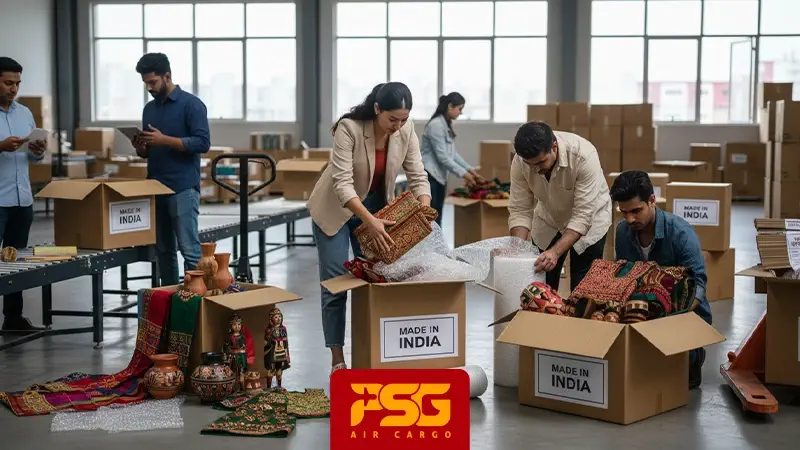
Traditional exports remain the foundation of international trade. Traditional export methods are among the most reliable ways to conduct trade. This approach allows for better control over quality and logistics. Although digital tools are shaping the future of exporting, the essential principles of thorough market analysis remain crucial. By combining traditional practices with modern innovations, exporters can enhance efficiency and expand their international market reach. Partnering with a trusted, experienced logistics provider, such as PSG Air Cargo, ensures smooth, reliable shipments. We guarantee that your goods are handled safely and that all shipments comply with international standards and regulations.
FAQs
Is an export license required for traditional exporting?
It depends on the country’s regulations and the type of products.
Can a freight forwarder company help with traditional exports?
Yes. Freight forwarder companies can handle the whole process for you.
How long do the traditional exports usually take?
It totally depends on the destination country and the mode of transport.



Leave a Reply
Want to join the discussion?Feel free to contribute!