
An exporter is a business owner who has decided to sell their products internationally. If you are an entrepreneur or own a small business, the process is not as complicated as it once was. Today, many countries are interconnected, and exporters play a crucial role in linking local production with the global market. International trade has become a key driver of economic growth, fostering connections between nations. In this article, we define who an exporter is, provide a step-by-step guide to becoming an exporter, discuss the different types of exporters, and examine the challenges they may encounter along the way.
Definition of an Exporter
Due to local limitations, inadequate infrastructure, and geographical challenges, some countries may lack the capacity to produce all the goods that their residents demand, including various everyday consumer items. This is where the concept of an “exporter” becomes essential. An exporter can be either a company or an individual that sells goods or services outside their home country. Their main role is to connect local production with international demand. Exporters also help their home country earn foreign currency and generate revenue, making them essential players in the global trade landscape. For instance, exporters have positioned the UAE as a significant hub for global trade. A good example is a food producer that exports dates to Europe, meeting European demand while also showcasing the UAE’s international presence.
Types of Exporters
There are three main types of exporters, each operating in distinct ways. Their business models and target markets set them apart. By familiarizing yourself with these types and understanding their specific requirements, you can gain valuable insights into the international trading landscape and determine where your business fits best. Considering your long-term objectives and your business’s capabilities, it is crucial to select an export model that aligns with your needs. A wise approach is to start as an indirect exporter, allowing you to learn about the entire process before transitioning to direct international sales.
- Direct Exporters
Exporters who sell their goods or services directly to international buyers are known as direct exporters. In this model, they manage every stage of the process themselves, including marketing, pricing strategies, shipping methods, and customer relations. As a result, direct exporters can enjoy higher profit margins and greater control over the entire process. However, to succeed with this approach, they need significant experience in the global trading landscape and strong logistics capabilities. Additionally, being open to new cultures and understanding the social norms of the destination countries can facilitate smoother operations for direct exporters. For example, if a manufacturer of construction materials sells its products directly to contractors in another country without any intermediaries, it is classified as a direct exporter.
- Indirect Exporters
If intermediaries are involved in the trading process, the exporters are known as indirect exporters. These intermediaries can include trading companies, export houses, or local distributors that assist exporters with the international aspects of the process. If you are a business owner new to this field, or if your business is relatively small and you want to expand into foreign markets, becoming an indirect exporter is a great option. This approach is particularly beneficial if you lack the necessary knowledge to manage overseas clients and customs procedures.
- Service Exporters
These exporters offer services that have gained significant recognition and demand due to globalization, the rise of remote work, and the increasing need for cross-border expertise. Their offerings span logistics and consulting to education and IT support, catering to businesses of all sizes and industries.
Step-by-Step Guide to Becoming an Exporter
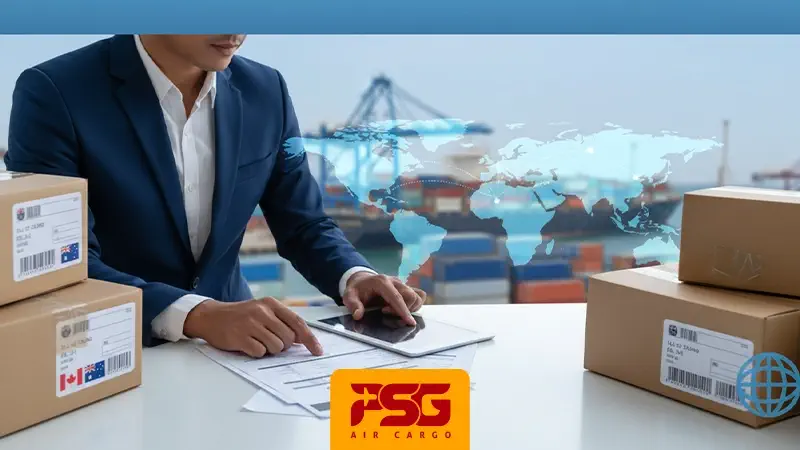
Becoming an exporter is simpler than it used to be. With the proper preparation and by following proven methods and strategies, you can create a clear plan for success. Here is a step-by-step roadmap to help you become an exporter.
- Select the Right Product/ Service
To accurately identify products or services in demand in international markets, it is crucial to understand market trends. Conducting thorough market research is essential to determine which products are in high demand. These products may include manufactured goods, agricultural items, construction materials, or services such as software development.
- Understand Export Regulations
The more you understand the customs procedures and export regulations in both the origin and destination countries, the smoother your shipment will be. Each country has its own rules and requires specific documentation. Familiarity with these requirements can help you avoid compliance issues down the line.
- Obtain required Licenses/ Permits
To export goods, either directly or indirectly, some countries require an export license. It is essential to check with your local trade authority or customs department to confirm the specific requirements. Additionally, certain products, such as medical supplies, may require special permits based on their category.
- Find International Buyers
When engaging in direct export, one significant challenge exporters encounter is identifying potential buyers in the destination countries. To address this, consider attending international trade fairs and expos related to your industry. When meeting buyers, focus on building strong relationships and consistently delivering your products on time. These efforts will contribute to achieving long-term success in the export business.
Challenges and How to Overcome Them
Being an exporter is challenging, like any other job, but it can be managed with the right approach. One major challenge is incorrect documentation, which can be mitigated by partnering with an experienced logistics provider to help you avoid errors and delays. Finding international buyers can also be challenging, but establishing a robust online presence through digital marketing and B2B marketplaces, such as Alibaba, can open up new opportunities. Additionally, currency fluctuations can directly impact profit margins. To minimize this risk, consider transacting in stable currencies such as the US dollar. Payment risks are another common concern, but these can be addressed with letters of credit or export insurance from trusted providers.
Final Thoughts
An exporter is a company or individual that sells products or services to international markets. If you want to sell your products outside your home country, you can introduce your brand to a global audience and access larger markets, potentially boosting revenue. Although becoming an exporter may seem complex, particularly for small businesses or those new to this field, partnering with a trusted logistics provider like PSG Air Cargo can simplify the process. With their support, your products or services can reach international customers, allowing your business to navigate the global market successfully.
FAQs
Can a small business become an exporter?
Yes, small businesses can enter international markets with the help of logistics partners to navigate the process.
What types of exporters are there?
Direct exporters, indirect exporters, and service exporters.
I want to start exporting. What documentation is required?
A commercial invoice, packing list, bill of lading/ airway bill, and certificate of origin.



Leave a Reply
Want to join the discussion?Feel free to contribute!