The top 5 exporting countries in the world are the main contributors to the global economy. For professionals engaged in export and logistics, having a comprehensive understanding of these leading countries and their operational methods is essential. In this article, we define the criteria that elevate a country to the status of a top exporter and analyze the strategic approaches they employ to enhance their competitiveness. We also address the challenges these countries face, including trade tariffs, shifting consumer demands, and geopolitical tensions. Furthermore, we highlight emerging trends and developments that could reshape global export dynamics in the coming years, informing exporters and logistics professionals of the shifts they may need to navigate.
Definition of “Top Exporting Country”
A “top exporting country” is a term used in the logistics sector and by traders to describe countries that export significant volumes of goods and services. These countries are characterized by their ability to provide a diverse range of products and to engage in trade with multiple other nations. Countries that excel in these areas are ranked among the best in export performance. For businesses involved in exporting or logistics, analyzing these factors is crucial for identifying potential opportunities, selecting appropriate markets, and formulating effective strategies for growth and success.
The Leading Countries
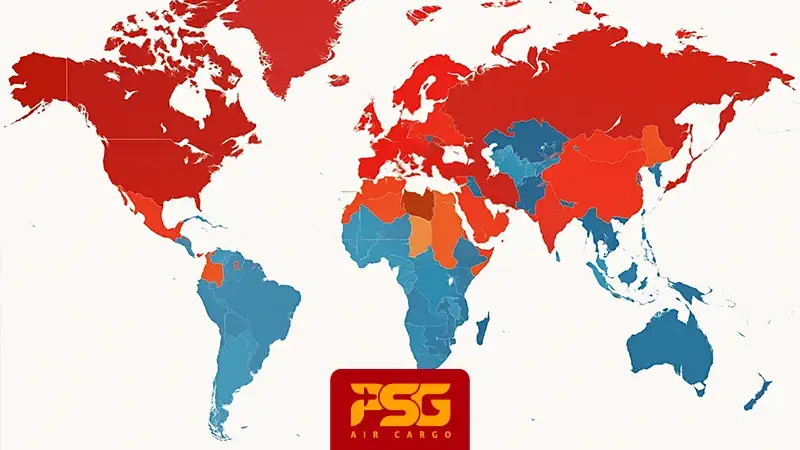
China is currently the leading global exporter, thanks to its robust supply chains that connect countries worldwide, which has a positive impact on the economy. The country specializes in exporting electronics, machinery, and components, showcasing a diverse range and high volume in its offerings compared to other top exporting countries. The United States is another prominent exporter, focusing on high-value products that encompass sectors such as technology, pharmaceuticals, and aerospace. Germany ranks as the third-largest exporter and is well-known for precision engineering, particularly in the automotive, machinery, and chemical industries. Germany’s competitive advantage lies in its ability to offer a diverse range of high-quality products that set it apart from both China and the United States. The United Kingdom and France rank fourth and fifth, respectively, among the top exporters of industrial goods and services. They differentiate themselves through a unique combination of products and services, focusing on quality manufacturing that sets them apart from Germany’s precision engineering and China’s mass production.
Emerging Export Economies
Emerging economies beyond the top 5 countries are having a growing impact on the global market. Countries such as India, Brazil, Indonesia, and Nigeria are taking impressive steps to enhance their export capabilities. These countries are focused on domestic growth while also actively integrating into global value chains, therefore increasing their competitiveness on the international stage. For companies located in the Gulf region, particularly those engaged in machinery exports, these dynamic markets present valuable opportunities for growth and expansion. The Gulf region, renowned for its strategic investments and diverse trade networks, can capitalize on the growing demand for advanced machinery and technology in these emerging economies. By forming partnerships, leveraging local insights, and adapting to market needs, businesses can capitalize on profitable trade relationships to drive commercial growth in these evolving markets.
Export Strategies and Competitiveness
Market research is the initial stage of the exporting process. This involves identifying the right target market, analyzing market demand, and examining factors such as competitors, demand volume, regulations, and tariffs, all of which are crucial for the success of a trade. The next step is regulatory compliance, especially in industries such as machinery and components. It is essential to follow established standards, obtain the necessary licenses, and comply with local regulations. Pricing and positioning are also among the most critical considerations. Successful exporters often face a choice between offering lower prices for larger volumes or higher prices for additional value. The final selection is heavily influenced by demand in the destination country, the type of product, regulations, and the mode of transportation. Countries like China benefit from robust logistics networks, while companies in the Gulf region can leverage shorter routes and faster delivery. Additionally, it is essential to consider factors such as payment terms, exchange rates, export insurance, and potential changes in trade policy when establishing a specific strategy.
Challenges Facing Top Exporters
Even leading exporting countries face considerable challenges that can cause harm to trade operations. Sudden shifts in trade policy, including the imposition of new tariffs and sanctions, as well as regulatory changes, can create obstacles to export planning and execution. These changes can lead to increased costs, forcing exporters to adapt to new compliance requirements. Moreover, external factors such as declines in global demand for specific goods, economic recessions, or geopolitical tensions can put pressure on export volumes. Geopolitical issues, such as conflicts or diplomatic disputes, alongside potential supply chain risks, remain critical concerns for trade. Political instability in exporting or importing nations can disrupt logistics networks and create uncertainty in trade agreements.
Additionally, practical challenges such as transportation delays due to port congestion, shortages of raw materials caused by market fluctuations, or unforeseen logistical issues can complicate distribution channels. These factors can impact supply chain efficiency, altering the entire export planning process and leading to missed deadlines. Addressing these challenges requires effective management to maintain competitiveness in the global marketplace.
Future Global Export Trends
Several emerging trends are shaping the global export landscape. One significant trend is the prominence of green exports. This shift is fueled by a growing number of environmentally conscious businesses and consumers who prioritize low-carbon products and sustainable supply chains. Companies are focusing on reducing their carbon footprints and adopting eco-friendly practices to meet the rising demand for products that minimize environmental impact.
Final Thoughts
The top 5 exporting countries in the world provide valuable insights for businesses seeking to have a successful shipment in global trade. Explaining their strategies and the steps they have taken has enabled the companies to develop a blueprint for a successful shipment in this dynamic, complex marketplace. Understanding their approaches helps businesses prepare for the various scenarios they may face along the way. Partnering with a reputable logistics company, such as PSG Air Cargo, can guide your business through this process by navigating the fluctuations of international trade and helping you implement strategies that align with your business goals.
FAQs
Due to its massive industrial output, diverse range of products, and robust supply chains. It may happen since some countries, including India, are growing fast and could change the current rankings in specific industries. One of the most Trusted sources is the World Trade Organization website.Why is China always the largest exporter in the world?
Will the top 5 exporting countries change in the future?
Where can I find reliable data on global exports?



Leave a Reply
Want to join the discussion?Feel free to contribute!