Direct and indirect exports are vital drivers of a country’s economy, as they generate foreign currency and enhance a business’s profitability and reputation. As a business owner, regardless of your company’s size or industry, you can enter the international market by producing high-quality products and conducting thorough research. Now you might be wondering which method is best suited for your business: direct export or indirect export? In this article, we explain both methods of exporting, outline the benefits and drawbacks of each, and help you determine which option is the most suitable for your business.
Definition of Direct Export
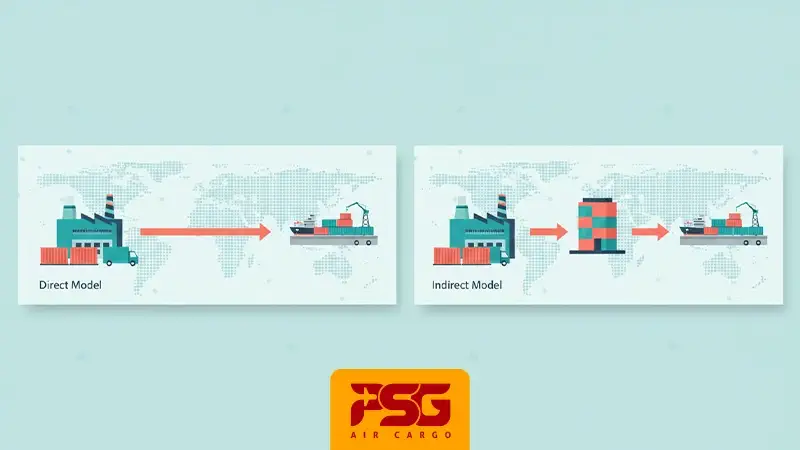
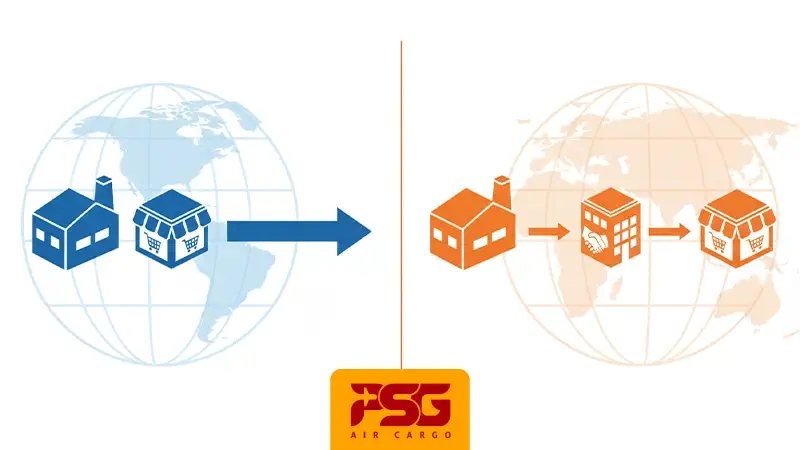
Direct export requires understanding and experience, as the exporter, whether a company or an individual, is responsible for every stage of the process without involving any intermediaries. As a business owner engaging in direct exporting, you need to identify international buyers, build strong relationships with them, and maintain those relationships. Additionally, you are responsible for managing customs clearance and making all necessary payments. To do this effectively, you must be familiar with the destination country’s customs regulations and local laws. Therefore, if you choose direct exporting, keep these crucial aspects in mind.
Advantages and Disadvantages of Direct Export
Every approach has its pros and cons, which must be evaluated when selecting the most suitable exporting method for your company, considering your industry and other relevant factors.
Advantages
- Complete Control Over the Market and Customers
The exporter must handle everything, including dealing with foreign customers and receiving feedback that leads to a better understanding of the target market.
- Higher Profit Margin
In this method, there is no intermediary, and the manufacturer retains the entire export profit.
- Building an International Brand
Direct communication with foreign customers helps establish the company’s brand in target markets and enhances its international credibility.
- More Flexibility in Decision-making
The company can adjust pricing, advertising, and market strategy based on its analysis.
Disadvantages
- Higher Initial Costs
Conducting market research, expanding marketing efforts, and participating in international exhibitions are among the costly steps in the direct export process.
- Required Export Experience
The exporter must have adequate knowledge and familiarity with customs regulations, shipping documents, and payment methods, as even minor mistakes can result in fines, delays, and penalties.
- Higher Risk in New Markets
Entering a new international market can be risky and may cause financial losses.
Definition of Indirect Export
This type of export is ideal for individuals new to the field or for small businesses seeking to start exporting internationally and expand their market. In this scenario, an additional party is involved, aside from the manufacturer and the buyers. This intermediary can be a person, such as an export broker, a local agent, or a trading company that possesses sufficient knowledge of the rules and regulations governing both the country of origin and the destination. These intermediaries help businesses sell their products in foreign markets. Therefore, if you want to start indirect exporting as a manufacturer, it is essential to maintain your focus on production.
Advantages and Disadvantages of Indirect Exports
Each method has its own advantages and disadvantages. When selecting the most suitable export technique for your business, it is essential to consider these factors alongside your business’s unique needs and other key factors.
Advantages
- Simpler and Faster
In this method of exporting, the exporter—whether a manufacturing company or an individual—does not need to understand every step of the entire exporting process, as the intermediary handles most of the responsibilities.
- Less Risk
Concerns related to the international market, such as exchange rate fluctuations and associated risks, fall under the intermediary’s responsibility. As a result, the exporter can enjoy greater peace of mind.
- Focus on Production
With most responsibilities resting on the intermediary, the manufacturer can concentrate on maintaining quality without becoming involved in the export process.
- Access to Diverse Markets through Intermediaries
Intermediaries typically have extensive customer networks, enabling manufacturers to reach diverse markets without direct involvement.
Disadvantages
- Reduced Control Over Brand and Pricing
Intermediaries possess a deep understanding of the destination market, enabling them to develop effective pricing strategies. As a result, manufacturers have less control over how their products are priced and marketed. Manufacturers often lack visibility into sales figures and advertising efforts for their products.
- Lower Profit Margins
When intermediaries take a portion of the transaction, the manufacturer’s profit margins are reduced.
- Dependence on Intermediary Performance
The success of exporting relies heavily on the credibility, experience, and effort of the trading company involved.
Comparison Between Direct Export and Indirect Export
Direct and indirect exports have distinct features that meet the different needs of businesses. Understanding these features is essential for companies looking to optimize their export strategies. Here is a complete comparison between the two types of exporting.
| | Feature | Direct Export | Indirect Export |
|---|---|---|
| Control over process | High | Low |
| Potential profit | High | Medium |
| Market Risk | High | Low |
| Initial Cost | High | Low |
| Expertise Required | High | Low |
| Speed of Export Start | Slower | Faster |
| International Branding | Possible | Limited |
Choosing the Right Export Method
The choice between direct and indirect exports depends on a company’s size, budget, and long-term goals. For those new to exporting and lacking sufficient knowledge, starting with indirect exports is a wise and safer option. However, if your company has the necessary experience and financial resources, direct exporting can be more profitable and help promote your international brand more effectively. Many companies begin with indirect exports and, after gaining adequate experience, transition to direct exporting.
Final Thoughts
Direct and indirect exports serve as a vital connection between manufacturers and international markets. Choosing the right export method for your business is crucial and can significantly impact your success or failure in global markets. Therefore, anyone involved in trade needs to understand the differences between these two methods of exporting. If you are a new business owner in this industry, partnering with a trading company like PSG Air Cargo, renowned for its in-depth market knowledge, can help streamline the exporting process. This collaboration can lead to seamless shipments and enhance your brand’s global recognition.
FAQs
Which type of exporting is faster?
Indirect export allows for faster entry into foreign markets because intermediaries already have knowledge of the destination market.
Is direct export more profitable?
Yes, in some cases, direct export can be more profitable because it eliminates intermediary costs.
I have a small business. Which export method is better for me?
Indirect export is generally better for small businesses, as it involves less risk and lower initial costs.



Leave a Reply
Want to join the discussion?Feel free to contribute!